Song Meaning
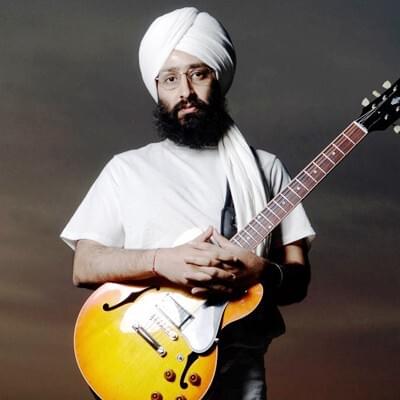
Rabbi Shergill's "Bullah Ki Jaana" isn't just a song; it's an existential declaration. The core of the song meaning revolves around the insistent, almost frantic, repetition of the line "Bullah ki jaana mai kaun" – "Who am I?" or, more accurately, "Bullah, what do I know of who I am?" This isn't a simple question; it's a dismantling of identity itself. Shergill, channeling the spirit of the Sufi poet Bulleh Shah, dives headfirst into negating every possible label, category, and definition. The lyrics become a process of elimination, discarding religious affiliations (“Na mai momin vich maseet aan / Na mai vich kufar diyan reet aan” – Neither am I a believer in the mosque, nor do I follow the ways of disbelief), geographical constraints (Na mai arabi na lahoria – Neither Arab, nor Lahori), and even fundamental aspects of existence (Na mai aabi na mai khaki / Na mai aatish na mai paun – Neither water, nor earth, neither fire, nor wind).
The genius of "Bullah Ki Jaana" lies in its understanding of the human need to categorize and define, both ourselves and others. Shergill systematically strips away these constructs, forcing the listener to confront the void that remains. This isn't nihilism, however. Instead, it's a journey towards a deeper truth, a transcendence of the limitations imposed by societal and cultural norms. The repeated denial of identity isn't an expression of ignorance but rather a recognition that true selfhood exists beyond the reach of simple definitions. The song subtly hints that the answer is not to be *found* but to be *realized*.
Ultimately, "Bullah Ki Jaana" becomes a powerful statement about the fluidity of identity and the limitations of language to capture the essence of being. The song resists easy interpretation because its very purpose is to challenge the listener's ingrained assumptions about self and other. The final lines, "Bulla! shah khadda hai kaun" – "Bullah! who is standing as king?" – suggest that perhaps the only true authority is the self, stripped bare of all pretense and external validation. The song is a potent reminder that our identities are not fixed but are instead constantly evolving, shaped by experience and, ultimately, defined by our own internal compass. It's a call for radical self-acceptance and a celebration of the mystery of existence.
 View Artist