Song Meaning
The lyrics paint a stark picture of a relationship dissolving, marked by abrupt disconnection and a sense of premature aging. The initial lines, "The phone cut out as I was telling you / And my hair turned grey as you were telling me," immediately establish a tone of profound, almost cosmic, separation. This isn't just a fight; it's a fundamental break where time itself seems to warp around the emotional damage. The narrator's thoughts are described as being carried away, suggesting a loss of self and a drifting towards an unknown, dark place.
The core tension emerges from a desperate, perhaps reckless, attempt to escape or erase the pain. The repeated image of "threw off our clothes / And we tried to swim out" signifies a shedding of inhibitions and a plunge into overwhelming circumstances. This act of swimming out, juxtaposed with the later mention of "sharks," hints at the inherent dangers and destructive forces at play, whether internal or external. The narrator's journey home, marked by hitting a dog and finding solace in a bottle and book, underscores a bleak, solitary aftermath, a stark contrast to the shared, albeit perilous, attempt at escape.
The most striking lyrical device is the insistent refrain: "Oh! The one you sleep with / Should be the one you dream with / Not the one you think you need." This isn't just about romantic partners; it speaks to a deeper disconnect between physical presence and emotional fulfillment, between superficial necessity and genuine connection. The repetition of "Not the one you think you need" hammers home a painful realization about misplaced desires and the hollowness of certain choices. The act of "swimming with the phosphorescence and the sharks" becomes a potent metaphor for engaging with life's beauty and its inherent dangers simultaneously, a risky endeavor where the allure of light (phosphorescence) can't fully mask the threat of darkness (sharks).
Ultimately, these lyrics resonate because they capture the disorienting feeling of a relationship's end as an almost physical, time-altering event. The craft lies in the stark, often surreal imagery that externalizes internal turmoil. The contrast between the quiet desperation of the narrator's solitary return and the wild, dangerous escapism of the "swimming" episodes creates a powerful emotional arc. The insistent, almost pleading, repetition of the core message about true connection highlights the profound sense of loss and the difficulty of discerning what one truly needs versus what one merely settles for.
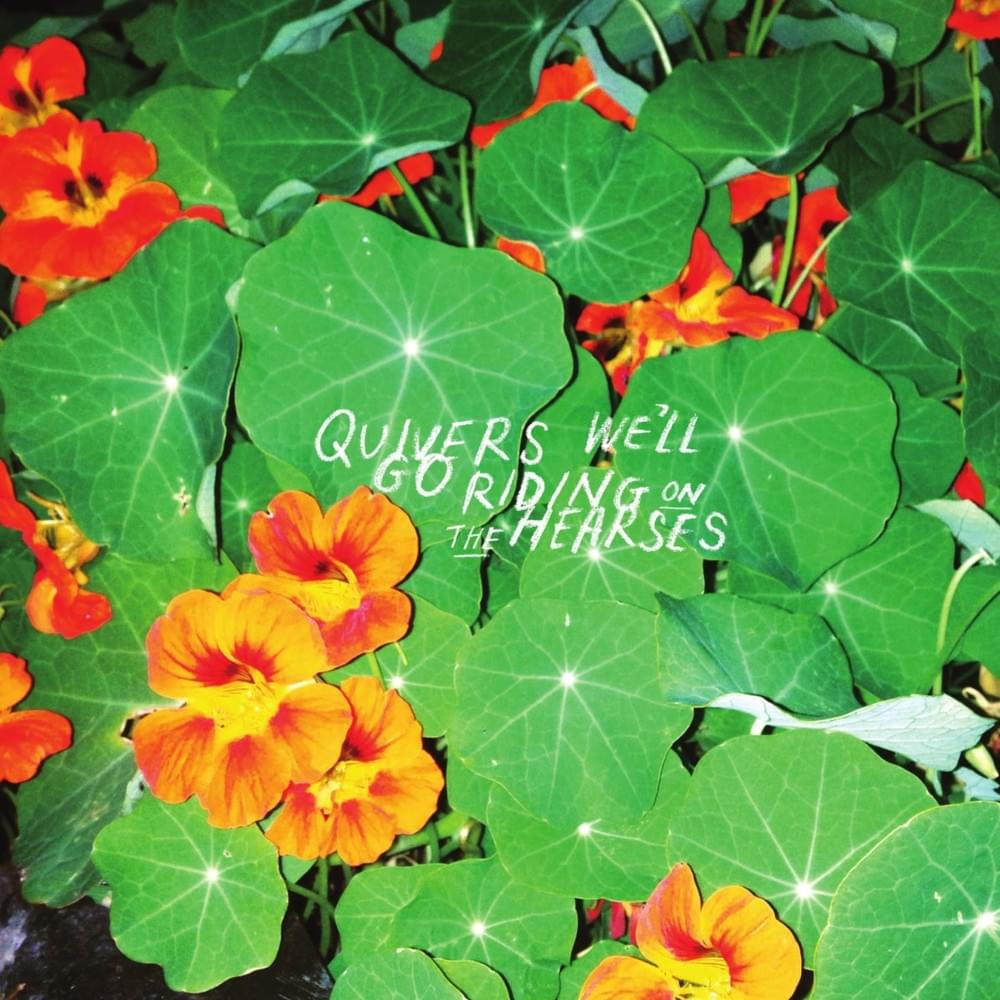
 View Artist