Song Meaning
The lyrics paint a picture of someone being urged to commit to something, perhaps a difficult or painful experience, with a sense of resignation. The repeated phrase "No te va a doler… Más que otras veces" suggests a familiar, yet still unwelcome, pain. This isn't a new suffering, but a recurring one, implying a cycle or a necessary consequence for trying something new or significant.
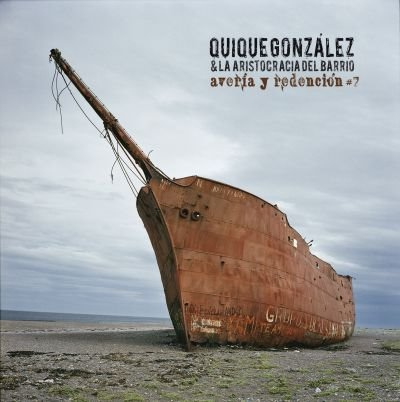
The central tension seems to revolve around a reluctant surrender and the identification that follows. The act of stopping the "running" is what allows for identification, hinting at a moment of truth or vulnerability. The mention of "Número siete" and looking at "fotos del restaurant" juxtaposes this intense personal moment with mundane, almost detached imagery, creating a disorienting effect. It feels like a specific, perhaps ritualistic, act is being described.
The craft here lies in the stark contrasts and the unsettling repetition. The idea of being "varado" (stranded) and "sin pulso, sin rumbo" (without pulse, without direction) powerfully conveys a state of helplessness. This is directly contrasted with the command to "entrégate" (surrender). The recurring "Número siete" acts as a strange, almost clinical marker for this emotional state or event, adding a layer of mystery and detachment to the raw emotion.
Ultimately, the lyrics resonate because they capture a complex emotional state: the dread of a familiar pain, the forced stillness before an inevitable consequence, and the strange detachment that can accompany difficult moments. The specific, yet ambiguous, details like the restaurant photos and the number seven make the experience feel both intensely personal and universally recognizable as a moment of facing unavoidable hardship.
 View Artist