Song Meaning
The lyrics express a profound admiration for a city simply because it bears the name Ho Chi Minh, finding beauty and significance in its very designation. This appreciation extends to the city's appearance on maps and, more importantly, to the perceived freedom and triumph of its people after suffering. The narrator imbues the name with a sense of justice and national pride, declaring the land as their own.
The central emotional tension arises from the narrator's intense identification with Ho Chi Minh City and its people, despite no explicit connection being stated. They claim the land as "mía" (mine) and "mi patria" (my homeland), making the city's victory their own because "su pueblo es mi pueblo" (its people are my people). This creates a powerful, almost spiritual, sense of solidarity.
The most striking craft element is the relentless repetition of "Qué bien" (How good/great) and the focus on the name itself as the source of beauty and meaning. The lyrics elevate the name "Ho Chi Minh" to a nearly sacred status, associating it directly with justice, freedom, and a beloved homeland. The inclusion of Hanoi and the reference to "tío Ho" (Uncle Ho) further solidify this idealized image of liberation and freedom.
These lyrics resonate because they tap into a deep-seated human desire for belonging and for witnessing justice prevail. The narrator's passionate, almost romantic, embrace of a distant place and its history, fueled by the power of a name and the idea of a "just" victory, creates an inspiring, if idealized, vision of shared humanity and national pride.
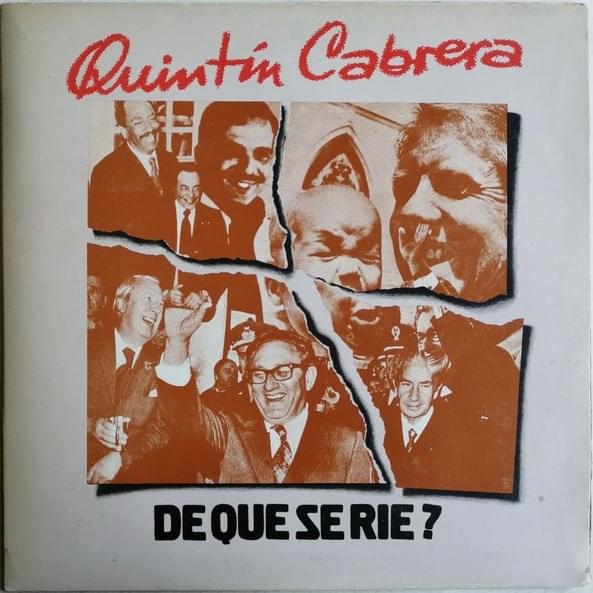
 View Artist