Song Meaning
The lyrics paint a picture of someone grappling with present anxieties, finding solace by retreating into memories of past experiences. When feelings become overwhelming and words fail, the narrator's mind drifts to "the bad old days we used to know." This isn't necessarily a romanticized past, but a time that offered a different kind of understanding or familiarity, a contrast to the current discomfort.
The central tension arises from the juxtaposition of present fears and past certainties. "Nights of winter turn me cold" and "fears of dying, getting old" highlight a sense of vulnerability and mortality. Yet, the memory of "the race was won by running slowly" suggests a past where perhaps patience or a different approach yielded success, offering a counterpoint to the urgency or helplessness felt now.
An intriguing aspect of the writing is the cyclical nature of memory and its purpose. The narrator revisits "stony grounds we used to know," recalling mornings where "shillings spent made no sense to leave the bed." These aren't grand triumphs but mundane moments, yet they served a purpose, giving way to "fruitful years." This implies that even seemingly unproductive or aimless past times held a value that informs the present.
Ultimately, the effectiveness of these lyrics lies in their grounded, almost resigned reflection on time and change. The concluding lines, "Each to his own way, I'll go mine / Best of luck with what you find / But for your own sake remember times / We used to know," suggest a parting of ways, a recognition of individual paths. The plea to "remember times we used to know" isn't just nostalgia; it's a quiet insistence that the past, in its own way, holds lessons or a foundation worth preserving, even as life moves forward.
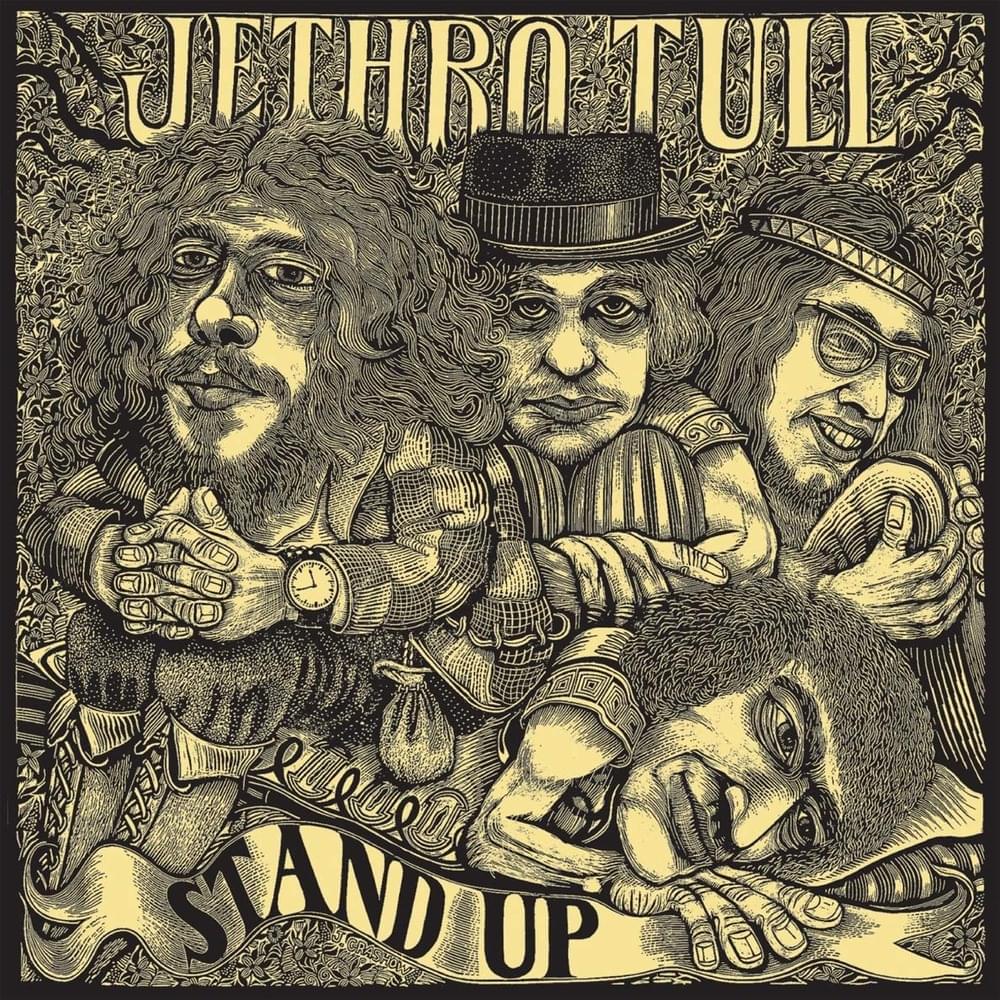
 View Artist