Song Meaning
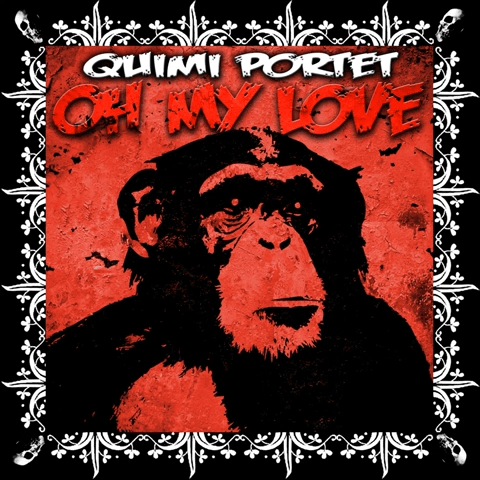
This track paints a visceral portrait of an untamed inner self, a primal force that dictates the narrator's actions and identity. The lyrics open with a stark image of external judgment – a mob with torches and pitchforks – to which the narrator responds with a chameleon-like adaptation, becoming 'boscà' in the woods and 'vilà' in towns. Yet, beneath this surface adaptability lies a constant, dangerous core: 'Però sóc sempre perillós.' This sets the stage for the central declaration: 'Tinc una bèstia a dintre meu' – a beast within that is actively unleashed.
The core tension revolves around this internal beast, which the narrator 'lets go for a walk' and actively directs towards causing harm. It's a force that 'struggles and fights to get out,' and when it does, the narrator claims, 'No hi ha lleis per a mi' (There are no laws for me). This isn't just a passive possession; it's a conscious, albeit perhaps compelled, release of destructive impulse. The imagery of 'venes plenes de verí' (veins full of poison) reinforces this idea of an inherent, toxic nature.
The most striking aspect of the craft is how this inner beast is directly linked to the narrator's creative output. The lyrics state, 'M'escriu les lletres i els acords' (It writes the lyrics and the chords for me), and 'és tan sols per això / Que sóc cantautor' (it's only for this reason / That I am a singer-songwriter). This is a powerful, almost Faustian bargain: the raw, destructive energy of the beast is the very source of artistic expression, transforming primal urges into song. The contrast between the violent imagery and the act of songwriting is jarring and compelling.
Ultimately, the effectiveness of these lyrics lies in their unflinching portrayal of a dark, uncontrollable id. The narrator doesn't apologize for the beast; they acknowledge it, unleash it, and even credit it with their artistic identity. The raw, almost defiant tone, coupled with the visceral language of poison and destruction, creates a potent and unsettling self-portrait. It's a compelling argument that true art can emerge from the most dangerous parts of ourselves.
 View Artist