Song Meaning
The lyrics paint a picture of a love that persists beyond physical presence and even beyond memory itself. The recurring phrase "Más allá" (Beyond) sets a tone of transcendence, suggesting that the connection being described operates on a plane that transcends ordinary time and space. It’s a love that exists not just in the present moment or in recollections, but in a more profound, almost eternal sense.
The central tension arises from the juxtaposition of enduring affection with inevitable loss and decay. The narrator repeatedly looks "beyond" tangible things like songs, days, silence, night, earth, rain, memories, and photos, only to find the imprint of their shared intimacy. Yet, these moments of transcendence are framed by imagery of autumn's vastness, final oblivion, September's deadly white, and a cloud with its tempest, hinting at a melancholic reality that the love is trying to outrun.
The most striking craft element is the persistent refrain: "Estarán en tu boca, mi boca / Mis besos allí dormirán" (They will be in your mouth, my mouth / My kisses will sleep there). This image of kisses sleeping in a shared space, even when separated by "beyond" all else, creates a powerful sense of lingering presence and a love that has become a permanent, almost physical, part of the beloved. The repetition of "Más allá" reinforces this idea of an enduring essence that cannot be erased by time or circumstance.
This lyrical construction is effective because it taps into a universal human desire for love to be more permanent than life itself. By grounding the abstract concept of enduring love in the concrete, albeit poetic, image of sleeping kisses, the narrator makes the intangible feel palpable. The contrast between the vast, often bleak, landscapes described "beyond" and the intimate, personal space of "your mouth, my mouth" creates a poignant emotional resonance, suggesting a love that is both immense and deeply personal, capable of surviving even the ultimate "nada final" (final nothingness).
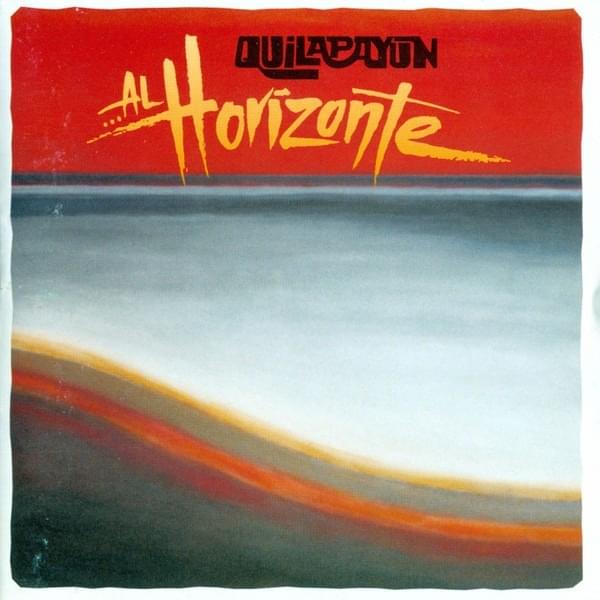
 View Artist