Song Meaning
The lyrics paint a picture of a heart drawn to a flame, like a moth to a candle, a poignant image of self-destructive attraction. This vulnerability is immediately framed by a lament for "mi fortuna" – my fortune, my luck – suggesting a deep-seated sense of misfortune that colors the narrator's experiences. The repetition of "Pobrecita, ay, mi fortuna" underscores a pitying, almost resigned, tone towards this lack of luck, establishing a core emotional landscape of gentle despair.
The central tension emerges from the narrator's apparent acceptance, even readiness, for death, juxtaposed with the ongoing, almost passive, observation of the beloved. "Yo no sé cómo ni cuándo / Vendrá la muerte por mí," the narrator admits, but then defiantly states, "Que venga cuando ella quiera / Yo estoy dispuesto a morir." This isn't a plea for salvation, but a statement of surrender to fate, perhaps finding a strange solace in the very act of being consumed by this powerful, yet unlucky, affection.
The recurring phrase "Pobrecita mi fortuna / No tiene suerte ninguna" is the lyrical anchor, a mournful refrain that defines the narrator's self-perception. It's not just bad luck; it's a profound absence of fortune, a state of being inherently unlucky. This self-pitying, yet also strangely proud, declaration of misfortune is what makes the narrator's willingness to face death so compelling. It suggests that perhaps, in a life devoid of luck, the ultimate fate is simply another turn of the wheel, one the narrator is prepared to meet.
This emotional resonance is amplified by the simple, almost childlike, directness of the language. The imagery is stark and immediate, focusing on the core elements of attraction and fate. The effectiveness lies in this unvarnished presentation of a heart that finds its only consolation in observing its own undoing, a testament to how deeply ingrained misfortune can shape one's view of life and death.
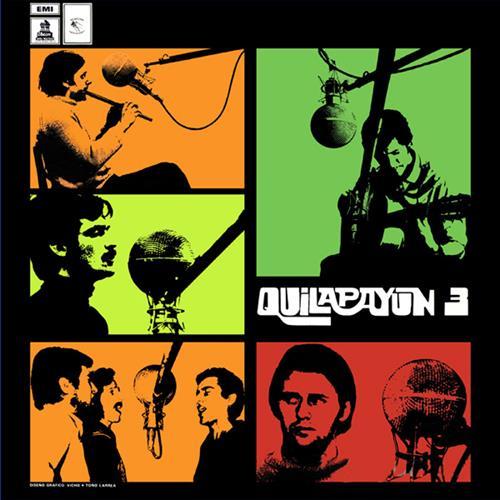
 View Artist