Song Meaning
The narrator is trapped in a loop of regret, replaying past conversations and realizing their own failures in a relationship. The immediate emotional texture is one of confusion and self-recrimination, a stark contrast to the present feeling of profound isolation. The lyrics open with a sense of disorientation, a "strange view" where past words now echo with painful clarity, prompting a deep dive into what went wrong and the narrator's own shortcomings.
The central tension lies in the narrator's inability to navigate reality without the presence of the other person. The repeated phrase "I can't find the real world alone" underscores a profound dependency, suggesting that the "real world" itself was defined or made navigable by this relationship. Every perceived success is undermined by an internal questioning, a phantom echo of the other's voice, highlighting a deep-seated insecurity and the lingering impact of their absence.
The most striking craft element is the relentless repetition of "I can't find the real world alone." This isn't just a statement of loneliness; it’s an assertion that the narrator's entire perception of reality was contingent on the other person. The lyrics suggest that the other person provided an essential perspective, an "answer that I could not see," making their departure equivalent to losing one's grip on what is tangible and true.
This writing is effective because it taps into a universal fear of losing one's bearings. The specific confession, "Looking back, I never was there for you," grounds the abstract feeling of being lost in a concrete personal failure. The raw admission, combined with the haunting refrain, creates a powerful portrait of someone adrift, their sense of self and reality shattered by loss.
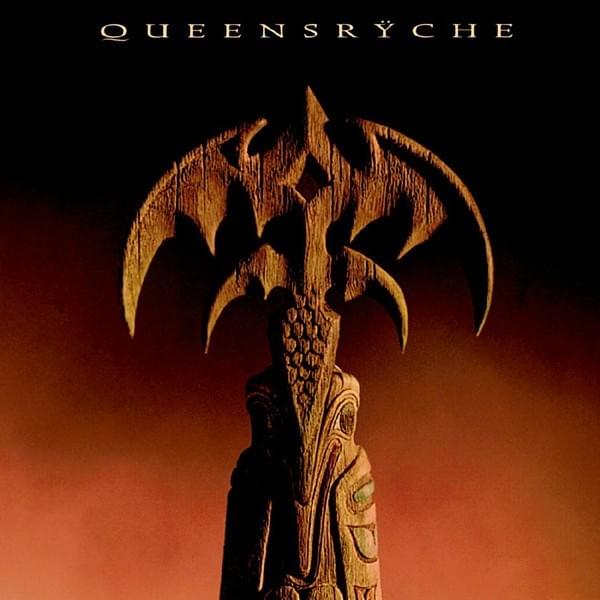
 View Artist