Song Meaning
The lyrics paint a stark picture of a desolate landscape where the usual markers of time and place dissolve. The narrator finds a strange solace in this emptiness, a "mental erase" that allows for "forgive, forgot." This initial setting suggests a desire for oblivion, a shedding of past burdens in a place where the world seems to cease.
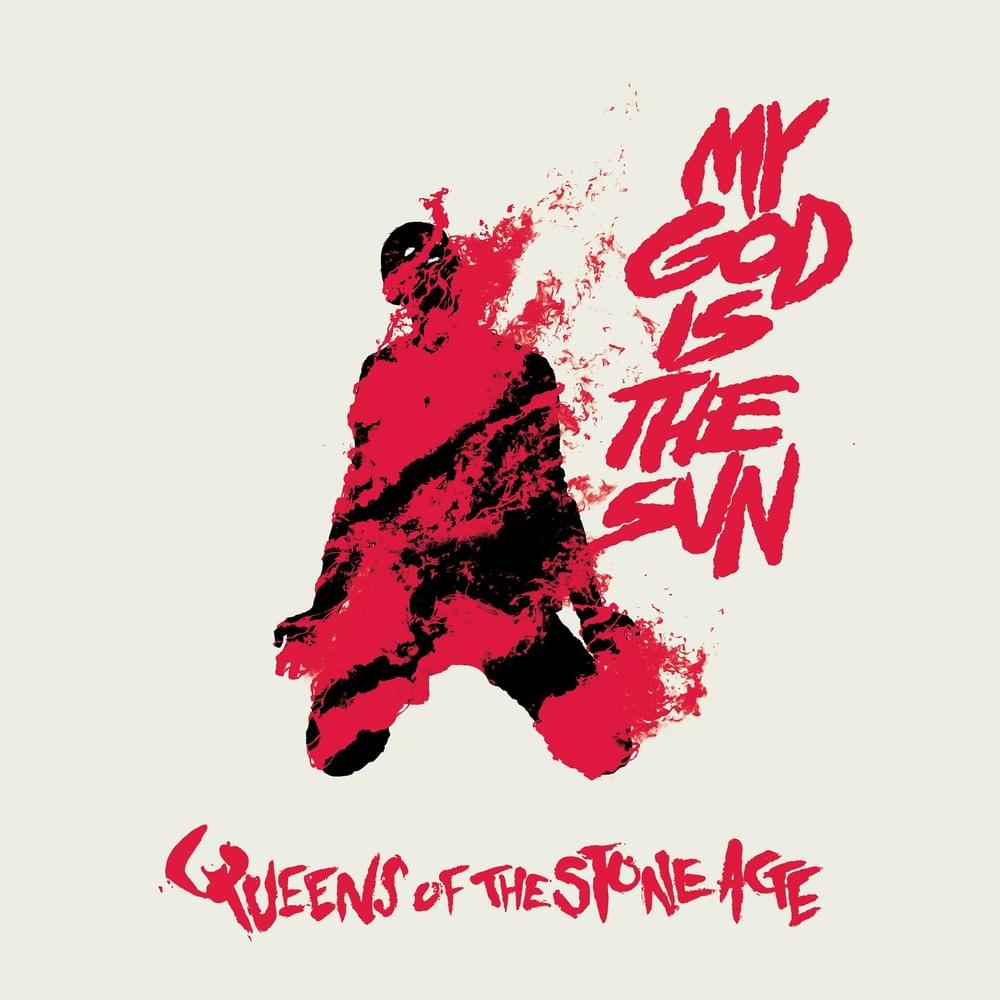
The central tension arises from the invocation of a powerful, almost violent, celestial force. The repeated phrase "Kneeling, my god is the sun" is juxtaposed with the command to "Heal them, like fire from a gun." This creates a disturbing duality: the sun, a source of life, is also presented as a weapon, capable of inflicting a fiery, destructive healing. The narrator seems to be both worshipping this potent force and directing its power outwards.
The imagery of being an "ant who crawls / Atop a spinning rock" is particularly striking. It emphasizes a profound sense of insignificance and detachment from the grander scheme of things, yet paradoxically, this smallness is framed as "so good." This perspective shift highlights a deliberate embrace of powerlessness, perhaps as a means to endure or even control the overwhelming power of the "sun" deity.
Ultimately, the lyrics resonate through this unsettling blend of surrender and control. The narrator seeks a cleansing, a "healing" delivered by an immense, indifferent power, but also seems to wield that power in a way that suggests a desperate attempt to impose order or judgment. The final declaration of "Godless heathens" being healed by fire from above reveals a complex, almost vengeful, form of worship, where salvation and destruction are inextricably linked.
 View Artist