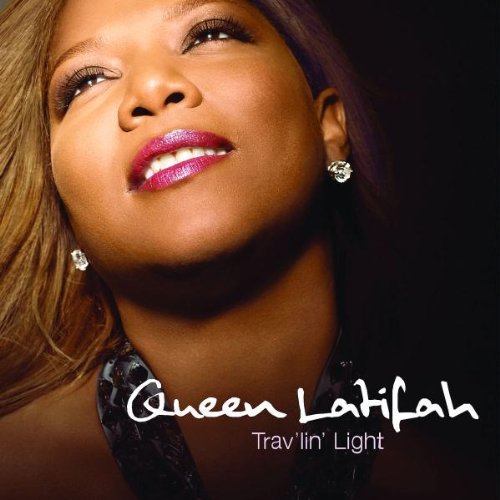
Song Meaning
Queen Latifah's "Georgia Rose" is a poignant, stripped-down lament that serves as both an elegy and an anthem for Black womanhood. The lyrics, stark in their simplicity, cut straight to the heart of internalized racism and the damaging effects of societal prejudice. The repeated invocation of "Georgia Rose" isn't merely a name; it's an archetype, representing a Black woman grappling with her identity in a world that devalues her very being. The "Dixie Rose" addition hints at a Southern context, laden with the historical weight of slavery and segregation, further emphasizing the specific struggles faced by Black women in that region.
The line "Though we don't see quite right, cause you're skin's dark as night" is a brutally honest acknowledgement of the colorism that permeates even the most intimate spaces. Latifah doesn't shy away from the ugliness of this reality, instead using it as a springboard for a message of self-acceptance and resilience. The subsequent lines, offering solace in the eyes of a higher power, provide a spiritual counterpoint to the earthly pain. It's a reminder that worth transcends superficial judgments and that true value lies beyond the gaze of a prejudiced society.
The repetition of "don't be blue, cause you're black, Georgia Rose" is not just a comforting refrain, but a powerful act of reclamation. Latifah transforms the very source of pain—Georgia Rose's blackness—into a reason for strength and pride. It's a direct challenge to the forces that seek to diminish her, urging her (and, by extension, all Black women) to find joy and self-love in the face of adversity. The song's haunting simplicity underscores the enduring power of its message, making "Georgia Rose" a timeless testament to the beauty and resilience of Black womanhood.