Song Meaning
Queen Latifah's "Baby Get Lost" isn't a sweet serenade; it's a sharply delivered eviction notice. The song's lyrics paint a portrait of a relationship poisoned by infidelity and disrespect, with Latifah's character firmly reclaiming her power. It's a scenario familiar to many: the partner who loves intensely but also inflicts pain, described here as loving "like an angel, but you treat me like a fool." This duality, this "two-faced" behavior, is the core conflict driving the song's narrative. The repeated command, "baby get lost," isn't a plea or a lament; it's a declarative statement of independence. It's the sound of a woman drawing a line in the sand, refusing to tolerate further mistreatment. The underlying message is clear: self-respect trumps romantic attachment.
What elevates "Baby Get Lost" beyond a simple kiss-off anthem is the subtle power dynamic at play. The lyrics hint at the man's dependence on the woman, underscored by the lines "You're cheating on the outside / You better come back on the inside" and "Don't want no trouble I've got to be the boss / 'cause you got too much to lose." This suggests she holds some form of leverage – perhaps financial, perhaps social – that he risks losing if he continues his philandering ways. It's not merely a rejection of his behavior but a strategic assertion of control. The layers of meaning in this song go beyond the surface.
Furthermore, Latifah cleverly subverts traditional gender roles. Instead of wallowing in heartbreak, she flaunts her own desirability, noting that she has "so many men that / They're standing right in line." This isn't presented as a retaliatory act of revenge, but rather as an affirmation of her own worth and agency. She's not passively waiting for him to change; she's actively choosing her own path, with or without him. "Baby Get Lost," therefore, transcends a simple tale of romantic disillusionment. It's a potent declaration of self-reliance and a celebration of a woman taking charge of her own destiny. In this lyrics analysis, the song embodies a woman taking control.
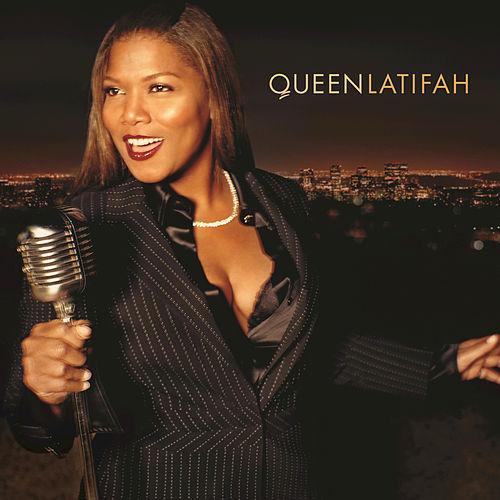
 View Artist