Song Meaning
The narrator emphatically rejects the idea of getting high, stating "No, I don't want to get High" repeatedly and with absolute certainty. This isn't a simple abstinence plea; it's a defiant stance against a perceived societal pressure or expectation to seek altered states, whether through substances or other means. The lyrics draw a stark contrast between "Love is an upper" and "Love is a downer," suggesting that even seemingly positive experiences can lead to a crash, mirroring the unpredictable nature of highs.
The core tension arises from the narrator's refusal to engage with what others might see as escape or pleasure, questioning the simplistic advice given: "'Drugs, absolutely no!' 'Die without bothering anyone.' Is that all?" This dismisses conventional warnings as insufficient, implying a deeper, more complex dissatisfaction. The narrator seems to be grappling with an internal "mystery raging," which shares "the same color blood" as them, suggesting a profound, intrinsic connection to this potentially destructive force they are resisting.
The most striking craft element is the subversion of the "high" concept. Instead of focusing on the act of getting high, the lyrics pivot to the destination: "Where do you want to fall?" This reframes the pursuit of an altered state not as ascent but as a descent, a plunge into the unknown. The imagery of a "burning mucous membrane" and "saliva overflowing" in a "pool where my feet still touch" creates a visceral, uncomfortable sensation, hinting at the physical and mental toll of chasing such experiences, even if the narrator claims to have never partaken.
This song hits hard because it articulates a resistance to easy answers and prescribed paths. The narrator's absolute rejection of getting high, coupled with their questioning of superficial advice, creates a powerful sense of self-determination. The unsettling imagery and the final, haunting questions about where one wants to fall leave the listener contemplating the true nature of escape and the inherent risks in seeking it, making the narrator's unwavering refusal feel like a hard-won, deeply personal victory.
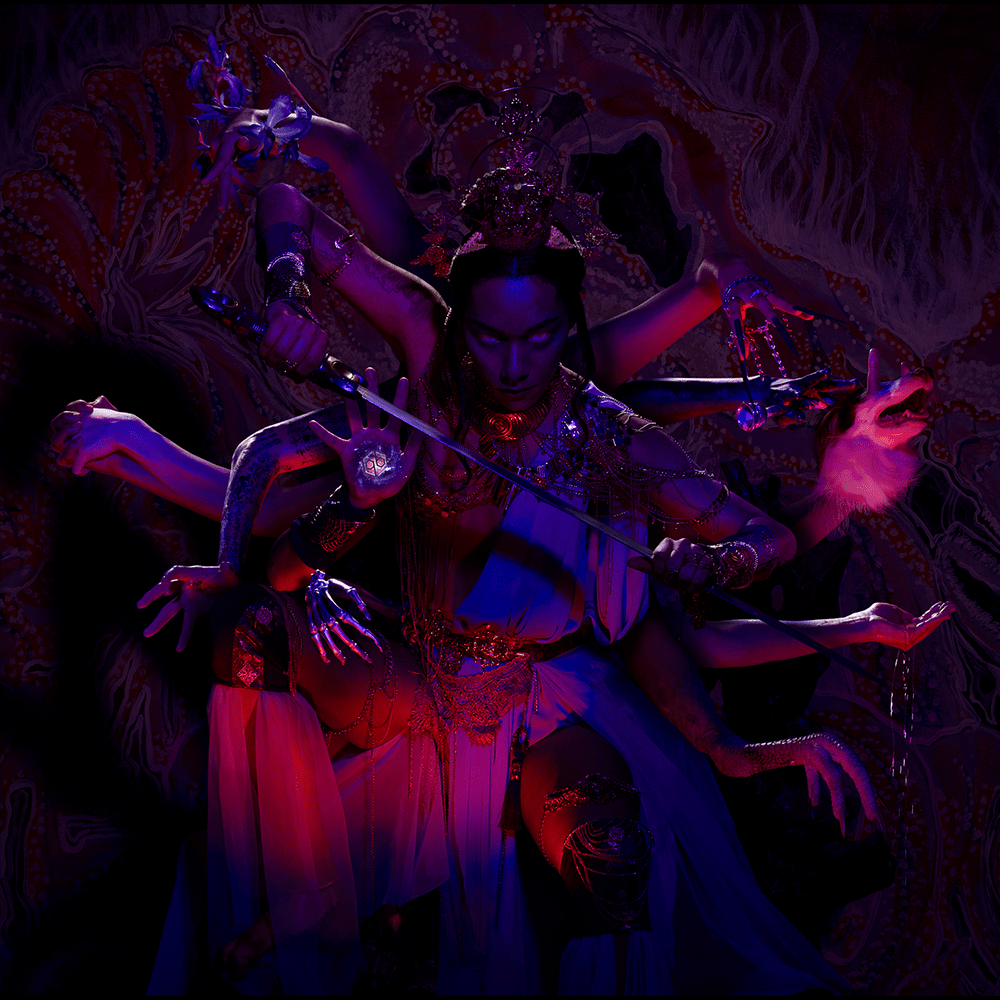
 View Artist