Song Meaning
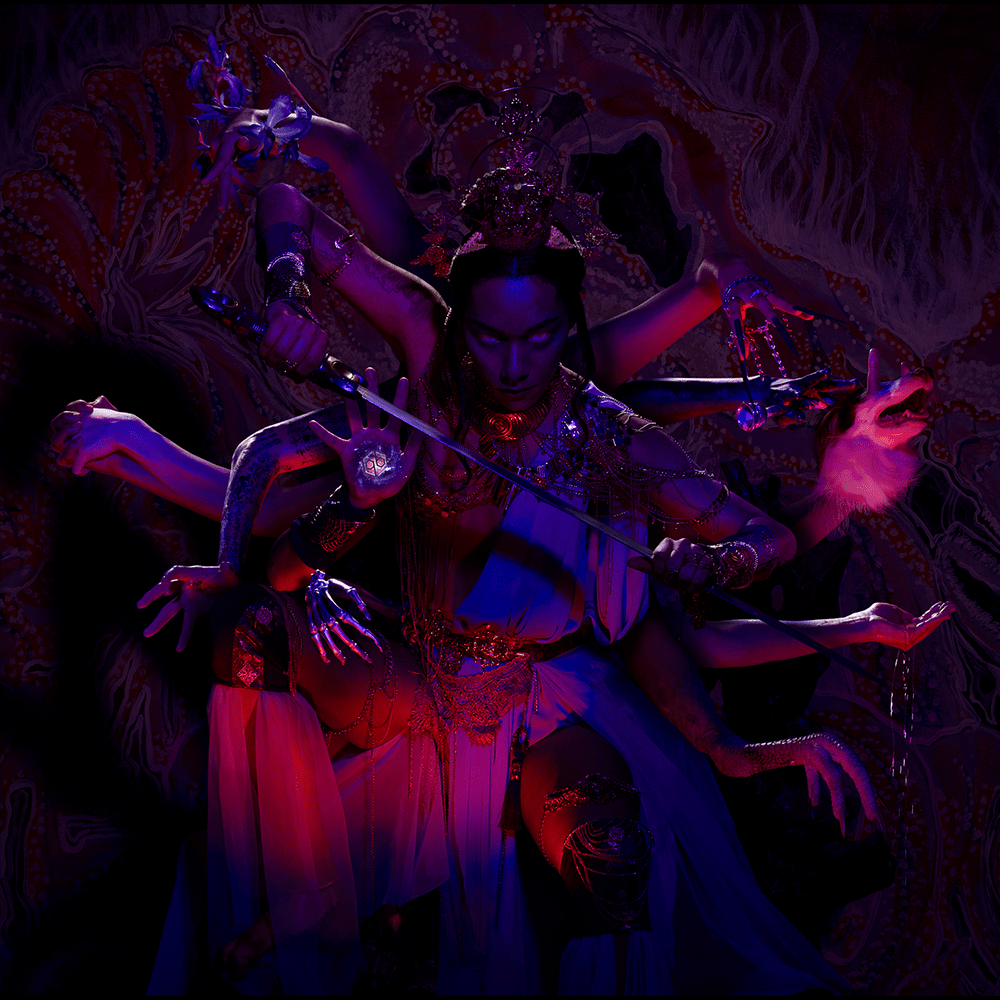
The lyrics paint a vivid picture of a speaker grappling with their identity and desires, using the imagery of the Kakitsubata flower. The opening lines invite a deep search, suggesting a hidden self beneath the surface, symbolized by the flower's petals and its striking purple hue against the water's edge. This initial vulnerability is quickly complicated by a stark self-awareness: "Lies can't hide skin tone," hinting at an inherent truth that cannot be concealed, even as the speaker declares they will "become evil and take off my nakedness."
The central tension arises from the rejection of external expectations, particularly those tied to the flower's traditional symbolism. The narrator explicitly states, "Don't ask for truth according to the flower language / It doesn't bring happiness, don't layer it on." This defiance is amplified by the recurring image of a "clear aquarium" where the bottom is visible, representing a sense of confinement and transparency that leads to a profound weariness with existence itself. The act of being "inserted" and then falling in love is framed as a painful trap, leading to the realization of being "nowhere to go."
A striking element is the speaker's embrace of a potentially destructive partnership as a preferable alternative to their current state. They propose that even a "muddy swamp" would be better with the other person, and that they could cross a "sea of fire" together, playfully dismissing conventional societal structures like "water and flowers, men and women." This offers a glimpse of a defiant hope, a desire to forge meaning through shared experience rather than conforming to pre-defined roles or seeking external validation.
Ultimately, the lyrics resonate because they capture a raw, complex emotional landscape. The speaker navigates feelings of entrapment, a weariness with societal expectations, and a desperate search for authentic connection. The contrast between the delicate beauty of the flower and the speaker's darker, more defiant pronouncements creates a compelling internal conflict, suggesting that true meaning might be found not in conformity, but in shared, even perilous, experiences.
 View Artist