Song Meaning
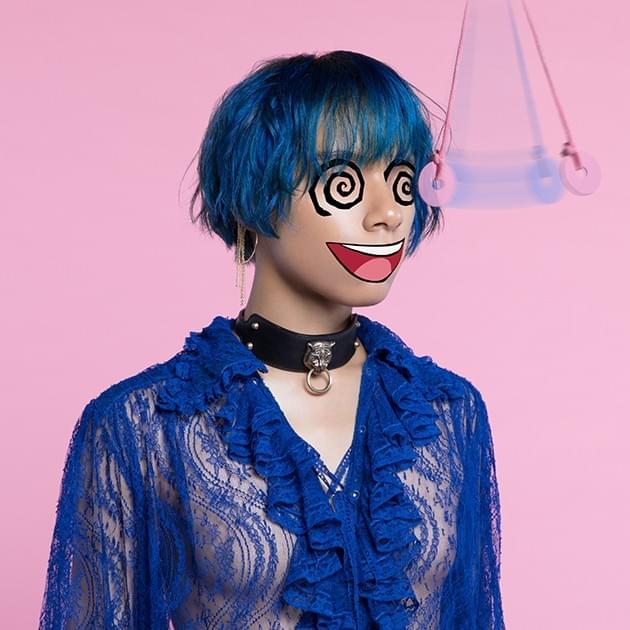
The lyrics of "催眠術 (Hypnotize)" paint a picture of a disorienting, intoxicating experience, blurring the lines between pleasure and distress. The repeated assertion "狂っている?わかっている" (Am I crazy? I know) sets a tone of self-awareness within a potentially unstable state. This isn't a clear narrative, but rather a dive into a feeling, where "すべてはタイミング" (everything is timing) and a "でたらめなフィーリング" (random feeling) dictate the flow. The initial verses suggest a deliberate descent, a "diving" into an experience that feels good, even as it's described as "random."
The core tension emerges as the "illusion" shifts from "たのしい" (fun) to "かなしい" (sad). The descent, described as "段々段々 down" (gradually, gradually down), leads to a state where "誰でもどれでもどうでもよくなる" (anyone, anything becomes irrelevant). This detachment, initially framed as liberating, curdles into a profound "loneliness" in the bridge. The act of drinking alcohol and the desperate desire for an "encore" suggest an attempt to prolong or recapture a fleeting, perhaps manufactured, sense of euphoria that is ultimately unsustainable.
The lyrics masterfully use repetition and contrasting emotional descriptors to convey this volatile state. The descent into being "drunk" on someone or something is presented as a "fun illusion," but the bridge starkly reveals the "特大の loneliness" (extra-large loneliness) beneath it. The repeated act of drinking, "飲み干すアルコール" (drink up the alcohol), becomes a coping mechanism, a way to swallow down the unpleasantness, even as the narrator admits "ほんとは吐きそう" (I really feel like throwing up). This internal conflict between the desire for escape and the underlying despair is the engine of the song's emotional impact.
Ultimately, the effectiveness of these lyrics lies in their unflinching portrayal of a self-induced trance that offers temporary escape but leads to deeper isolation. The "hypnotism" is not external but internal, a deliberate choice to dive into a feeling that promises pleasure but delivers a hollow echo. The repeated question of being "crazy" isn't a plea for help, but a confirmation of the strange, intoxicating reality the narrator has constructed, a reality that is both sought after and ultimately self-destructive.
 View Artist