Song Meaning
The lyrics paint a stark picture of a decision to end things, framed by a stark question: "What happens when I die?" This isn't a gentle fade-out; it's a sudden, violent image of a knife appearing, moving faster than tears that never fell. The narrator seems to be reacting to an external statement, "This is the last time, I've decided," immediately plunging into a dark, almost surreal contemplation of mortality and the finality of such an act. The refrain echoes this existential dread, questioning the meaning of disappearing and describing blood as a "waltz" that solidifies like a candle, a chilling metaphor for life ceasing.
The core tension lies between the impulse to cease existing and the lingering connections to the world. The narrator observes "so many hands I haven't connected," a poignant acknowledgment of unfinished relationships and potential. This is juxtaposed with the act of moving forward, symbolized by "zero one" (ゼロイチ), suggesting a new beginning or a binary choice. The lyrics grapple with the difficulty of letting go, asking "who will you resent?" and suggesting that forgiveness might mean forgetting, a complex trade-off between peace and memory.
A striking element is the repeated questioning of what happens after death, coupled with a sense of resignation and a search for freedom. The chorus offers a glimmer of hope, or perhaps a desperate plea, to "expect the best future every time." It acknowledges the "misfortune of living while resisting" but suggests that accepting this might lead to freedom. The imagery of "red color" (赤色) and "assimilating" (同化してく) hints at a passionate, perhaps overwhelming, force that shapes their existence, leading to a shared, if unexplainable, fate.
The effectiveness of these lyrics stems from their raw, unflinching portrayal of despair and the struggle to find meaning in the face of oblivion. The contrast between violent imagery and introspective questions creates a disorienting yet compelling narrative. The repeated motif of "zero one" acts as a pivot point, a potential escape or a new starting line, even as the narrator embraces the "unresolvable reason" (割り切れないこの理由) of their current state. It's this blend of visceral imagery and existential questioning that makes the lyrics resonate.
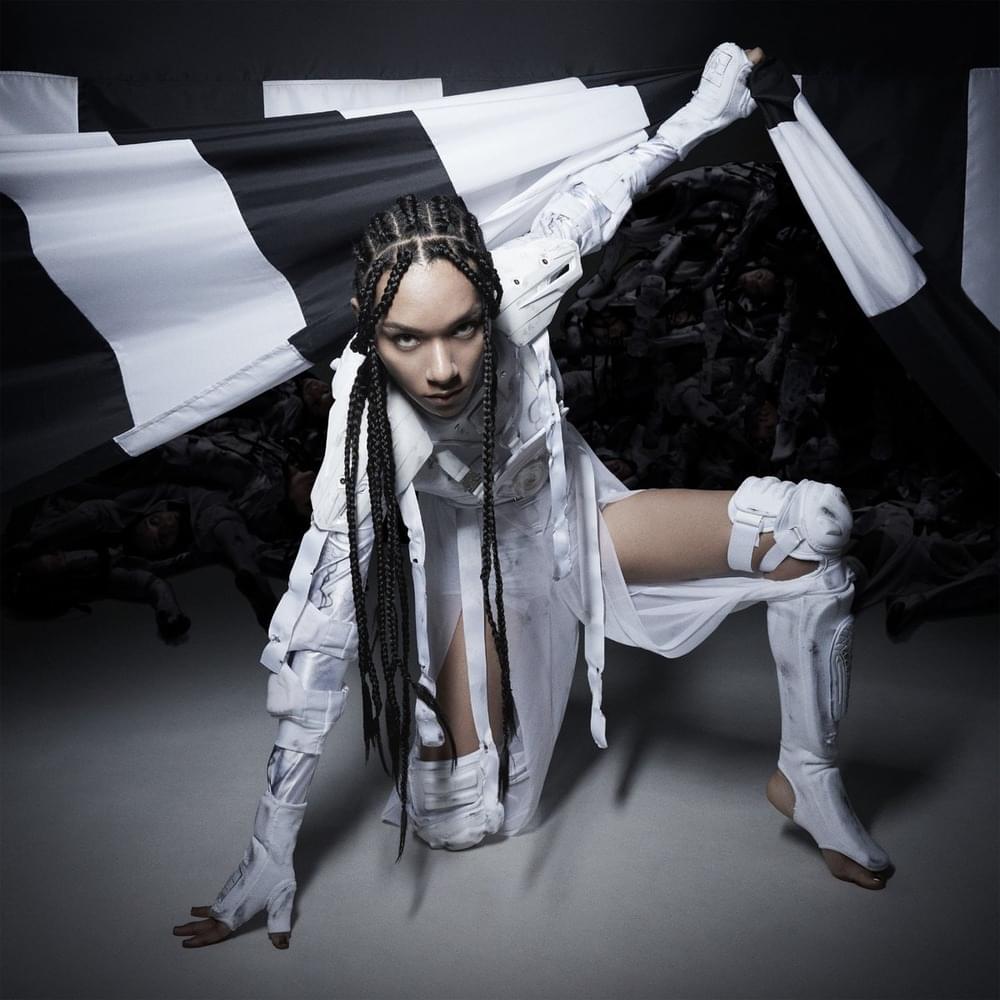
 View Artist