Song Meaning
The lyrics paint a vivid picture of a serene rural Vietnamese landscape, inviting a guest to experience its simple beauty. The opening verse establishes a tranquil morning scene: a vast rice field bathed in sunlight, gentle breezes rustling the blooming rice stalks, dewdrops on the dikes, and cheerful birdsong. This idyllic setting is presented with a soft, almost dreamlike quality, emphasizing peace and natural harmony. The recurring invitation, 'Em mời anh ghé thăm chốn đây một lần' (I invite you to visit this place once), acts as the emotional core, a warm and earnest plea to share this cherished homeland.
The second verse shifts to the harvest season, introducing a new sensory layer: the fragrant scent of ripe rice and the joyful sounds of 'tiếng hò lơ' (a type of folk singing) during the reaping. The image of women in white 'áo bà ba' (traditional Southern Vietnamese attire) with gentle hands quickly cutting the rice adds a human element to the natural bounty. This section highlights the abundance and the communal spirit associated with agricultural life, suggesting a time of celebration and shared labor.
The repetition of the first verse's imagery in the third verse reinforces the enduring beauty of the landscape, acting as a constant backdrop to the invitation. The chorus, with its distinctive 'Ơi hò ơi hò ơi ơi hò ơi' vocalizations, is more than just a refrain; it's an expression of deep affection for the homeland and a heartfelt desire to share its essence. The repeated phrase 'tiếng ca đậm tình quê hương' (songs full of homeland love) underscores that the true invitation is not just to see the place, but to feel its soul through its music and the warmth of its people.
What makes these lyrics so effective is their ability to evoke a strong sense of place and belonging through sensory details and a gentle, persistent invitation. The contrast between the tranquil morning and the lively harvest, both framed by the same welcoming spirit, suggests a land that is both peaceful and vibrant. The focus on simple, natural elements – rice fields, wind, dew, birds, and songs – creates an atmosphere of pure, unadorned charm. The repeated call to visit, coupled with the description of 'songs full of homeland love,' transforms the invitation into a profound offering of connection and shared cultural identity.
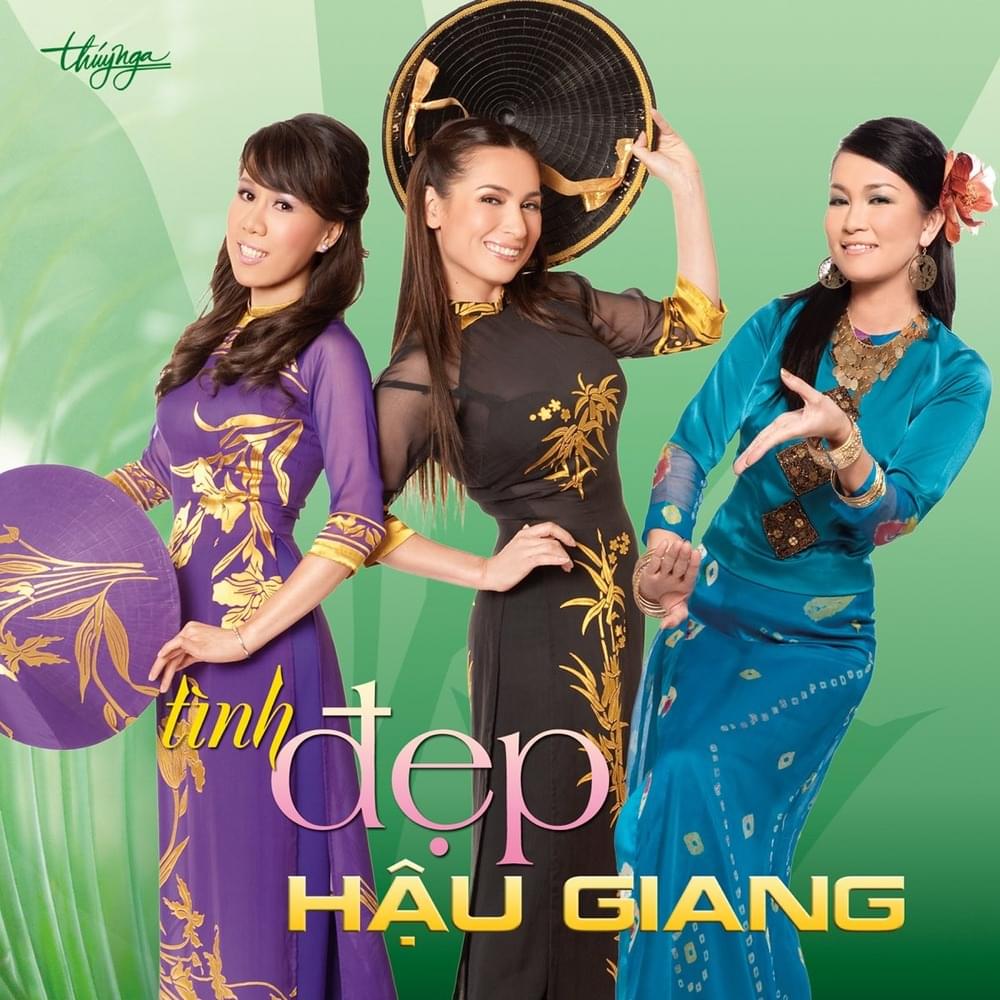
 View Artist