Song Meaning
The lyrics paint a vibrant picture of summer's arrival, immediately establishing a tone of abundant beauty and joy. The opening lines, listing colors like "wîz, rôt, blâ" and "Gel, brűn, grüen," create a sensory overload, suggesting a world bursting with life and rich in form. This initial description sets the stage for a celebration of nature's bounty, emphasizing its delightful and joy-filled qualities.
The central theme revolves around a profound sense of blessedness and contentment, particularly for those who can serve with love, finding their labor rewarded. The lyrics suggest that true happiness, described as "Saelic, saelic man," comes from a devotion where effort yields affection. This contrasts with a potential for suffering, implying that those whom God allows to endure hardship might find a deeper, more resilient peace.
The repeated phrases, especially "Wünneclîch, fröiden rîch / Ist gar swaz diu erde treit," act as a powerful refrain, reinforcing the overwhelming richness of the earth. This repetition underscores the pervasive nature of summer's joy and the abundance it brings. The structure, with its recurring stanzas, builds a sense of unwavering delight and a consistent state of well-being, almost like a prayer or an affirmation of this blissful state.
Ultimately, the effectiveness of these lyrics lies in their simple yet evocative language and their cyclical structure. They create an atmosphere of pure, unadulterated happiness tied directly to the natural world and a spiritual contentment found in devoted service and acceptance. The steady rhythm and joyful imagery combine to evoke a feeling of serene fulfillment, where the earth's gifts and inner peace are intertwined.
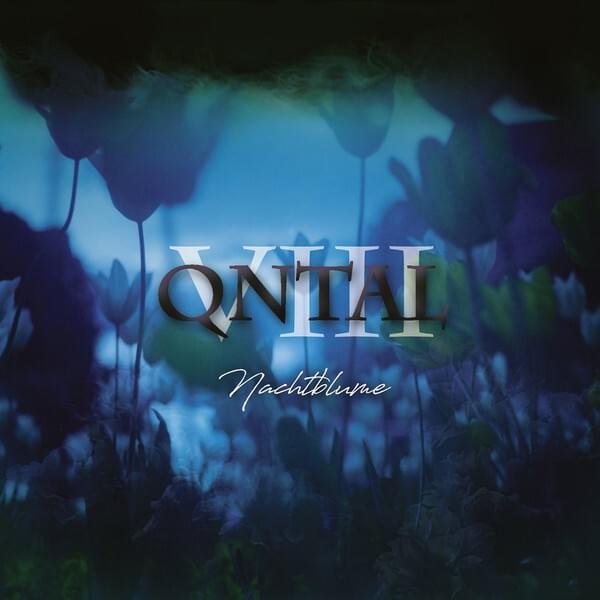
 View Artist