Song Meaning
The lyrics paint a stark, almost cinematic scene of judgment, where individuals stand alone before a celestial authority. The imagery of "shadows of wings" and the "gliding sun" creates a sense of awe and perhaps dread, all directed towards a "judgement throne." This initial setup establishes a powerful, almost biblical atmosphere, hinting at a moment of ultimate reckoning or assessment. The contrast between the encroaching shadows and the "throne of light" suggests a battle between darkness and divine illumination.
The central tension seems to reside in the repeated exhortation to "Keep your faith, away the tears / Keep your dreams, kill all your fears." This directive is juxtaposed with the grim reality of "suffer all the mortal pain." The lyrics propose an almost paradoxical existence: to embrace an "eternity" and a state of "never die" by enduring suffering and suppressing natural emotional responses like fear and grief. It’s a call to a stoic, perhaps even detached, resilience in the face of hardship, framing pain as a necessary component of eternal life.
The most striking element is the relentless repetition of the chorus, amplifying the urgency and perhaps the desperation of the message. The phrase "live your life again and again" paired with "suffer all the mortal pain" creates a cyclical, almost Sisyphean image. It suggests that this cycle of suffering and resilience is not a one-time event but an ongoing condition, a perpetual state of being that one must accept to achieve this promised eternity. The "reverbs of hate, whispers that die" being "destroyed by blinding lightning white" further emphasizes the overwhelming power of this divine judgment, capable of eradicating negativity.
Ultimately, the effectiveness of these lyrics lies in their stark, declarative pronouncements and potent, contrasting imagery. The simple, direct commands in the chorus, repeated with unwavering intensity, create a powerful emotional resonance. The juxtaposition of eternal life with mortal suffering, and the demand to suppress natural human reactions, forces the listener to confront a challenging, perhaps unsettling, perspective on existence and salvation. It’s a vision of transcendence achieved not through ease, but through enduring and transcending pain.
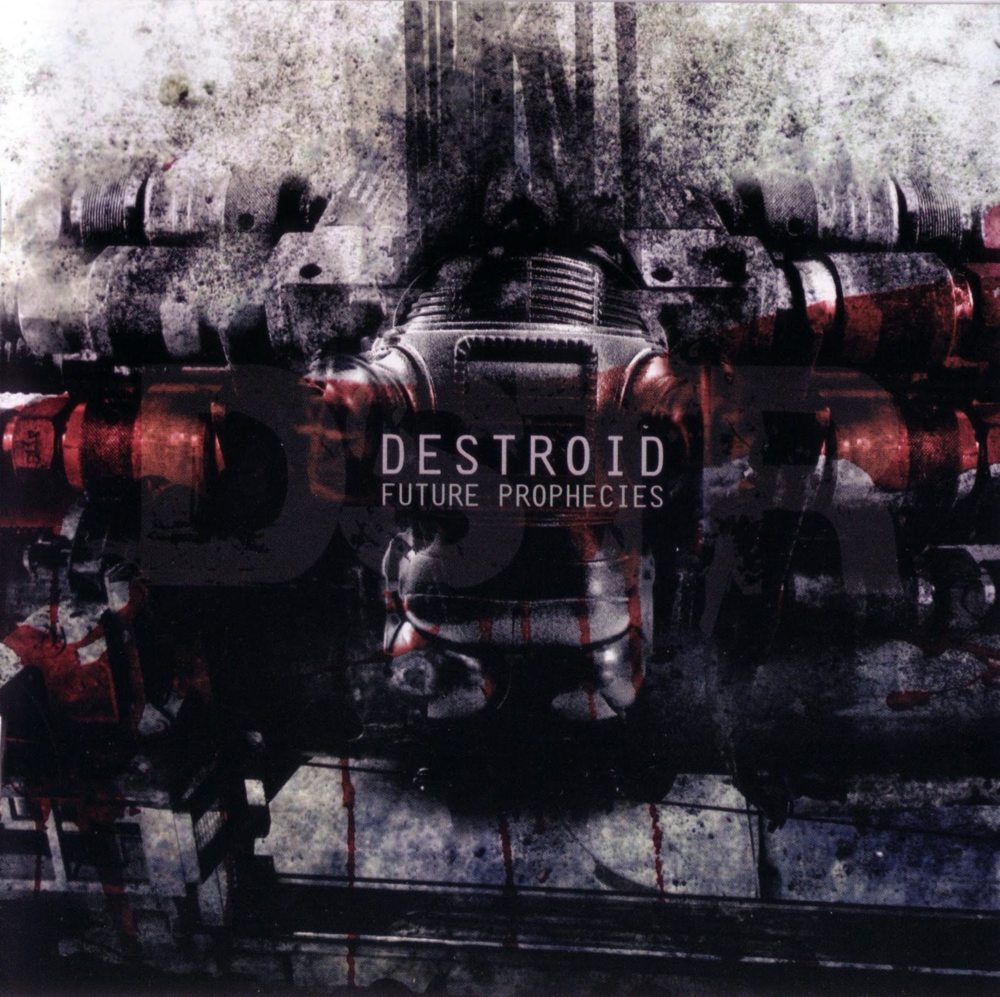
 View Artist