Song Meaning
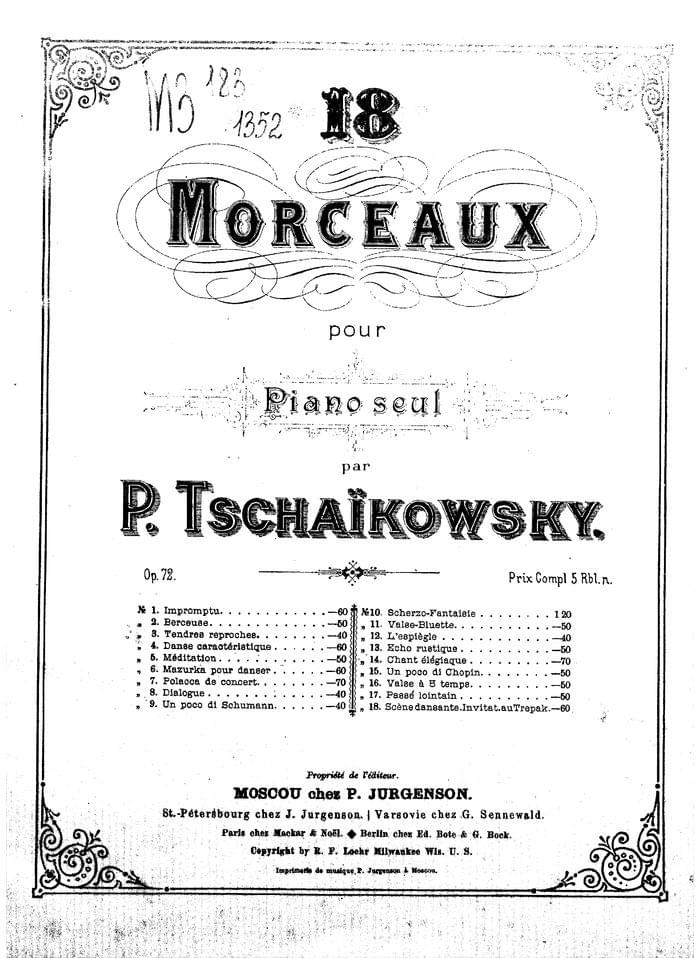
This piece, titled "L'espiègle" (The Mischievous One), immediately sets a playful and lighthearted tone through its very name. The absence of lyrics means the entire emotional landscape and narrative must be conveyed through musical elements alone. The title suggests a character or a mood that is impish, perhaps a bit teasing, but ultimately good-natured and full of life. It invites the listener to imagine a scene or a personality that embodies this mischievous spirit.
The music itself, therefore, becomes the storyteller, painting a picture of quicksilver movements and unexpected turns. One can infer a sense of darting glances, quick retreats, and sudden reappearances, all characteristic of a playful chase or a teasing interaction. The implied narrative is one of lighthearted fun, where the "mischievous one" leads the listener on a delightful sonic adventure.
The effectiveness of such a piece lies in its ability to evoke vivid imagery and emotion without a single word. The composer uses musical language – perhaps rapid arpeggios, sudden dynamic shifts, or unexpected harmonic changes – to embody the essence of mischief. These techniques create a sense of surprise and engagement, drawing the listener into the character's world. The piece likely succeeds by making the listener feel like they are actively participating in or observing a moment of pure, unadulterated playfulness.
Ultimately, "L'espiègle" offers a pure distillation of a feeling. It's a sonic embodiment of a personality trait, demonstrating how music can communicate complex character and narrative through its structure, tempo, and melodic contours. The piece likely leaves the listener with a smile, a sense of having been playfully outwitted or charmed by the music's inherent wit and delightful impishness.
 View Artist