Song Meaning
The lyrics paint a stark picture of a world where material wealth dictates social standing and survival. The opening lines, referencing the Bible, immediately establish a sense of immutable law: 'Them that's god shall get / Them that's not shall lose.' This isn't a gentle observation; it's presented as a harsh, ongoing reality, 'And it still is news' implying a perpetual shock or disbelief at this unfairness. The core message is a pragmatic blessing for self-sufficiency, encapsulated in the repeated refrain: 'Momma may have / Poppa may have / But God bless the child / That's got his own.'
The central tension arises from the contrast between inherited privilege and earned independence. While parents or benefactors might provide, the lyrics suggest this support is conditional and ultimately insufficient. The narrator observes that 'Empty pockets don't / Ever make the grade,' highlighting the unforgiving nature of a system that favors the affluent. Even 'rich relations' offer only a meager 'crust of bread,' with a warning not to overstep the limited generosity.
The most potent illustration of this theme is the bridge's depiction of superficial relationships. Money attracts a crowd, 'Crowdin' round the door,' but this entourage vanishes when the funds disappear: 'When it's gone / And spendin' ends / They don't come no more.' This sharpens the imperative of the chorus, emphasizing that true security lies not in external validation or fleeting connections, but in possessing one's own resources and agency.
Ultimately, the lyrics resonate because they articulate a universal struggle for self-reliance in an unequal world. The simple, direct language and the recurring, almost prayer-like chorus create a powerful, enduring statement about the necessity of independence. It’s a call for resilience, a recognition that in a system where 'the strong gets more,' the most valuable asset is what you can secure and maintain for yourself.
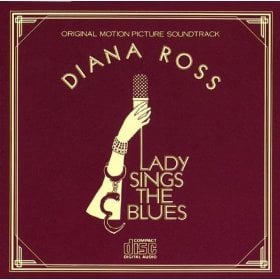
 View Artist