Song Meaning
The lyrics paint a picture of someone being exploited by another, who uses manipulative language and mind games to their advantage. The narrator sees through the deception, recognizing the parasitic nature of the relationship. The repeated phrase "Viviendo del cuento" (Living the story/dream) suggests the exploiter is living off the narrator's efforts or resources, while the direct accusation "Remora, chupandome a mi" (Remora, sucking on me) clearly defines the dynamic as one of a remora fish attaching itself to a larger host. The narrator is aware of the "juegos mentales" (mind games) and the "truqueo" (trickery), seeing the other person's actions as transparent and ultimately futile.
The central tension lies in the narrator's growing awareness and refusal to be further victimized. Initially, the narrator observes the "palabras persuasivas" (persuasive words) and the attempts to deceive, noting "Te crees que no te veo" (You think I don't see you). The repeated threat, "Si te hundo tu no sales" (If I sink you, you don't get out), highlights the power imbalance and the potential for severe damage the exploiter can inflict. However, the lyrics shift towards defiance, with the narrator stating, "El mismo cuento viejo te queda pendejo" (The same old story makes you look foolish) and "no me presto para eso" (I won't lend myself to that).
The most striking aspect of the craft is the potent metaphor of the "Remora." This specific image powerfully conveys the idea of someone passively benefiting from another's life force or resources without contributing anything themselves. The repetition of "Remora, viviendo de mi / Remora, chupandome a mi" hammers home this parasitic connection, making the abstract concept of exploitation visceral and undeniable. The contrast between the exploiter's "palabras persuasivas" and the narrator's clear sight of their "truqueo" and "manos" (hands) underscores the manipulative facade versus the underlying reality.
These lyrics resonate because they articulate a common experience of recognizing and resisting exploitation. The direct, almost blunt language, combined with the vivid "Remora" metaphor, makes the narrator's frustration and eventual resolve palpable. The song effectively captures the moment of clarity when someone realizes they are being taken advantage of and the subsequent decision to break free from that draining connection, leaving the exploiter to their "mismo cuento viejo."
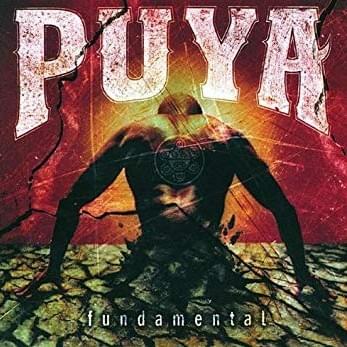
 View Artist