Song Meaning
The lyrics open with a narrator expressing desires for monumental natural elements like mountains, sunlight, and rivers. A "you" figure consistently fulfills these wishes, bringing these grand things into the narrator's life. Yet, this generosity quickly shifts, revealing a personal challenge: the narrator must now "learn to climb" or "learn to see." This dynamic is framed by the persistent, cyclical return of the "you" through a "same old... country song."
The core tension lies in this transition from passive reception to active engagement. The "you" provides the mountain, but the narrator must "learn to climb." The sunlight is given, but the narrator must "learn to see." This suggests that while external gifts are offered, true understanding or mastery requires internal effort. This personal struggle is perpetually intertwined with the "same old... country song," which seems to pull the "you" back into the narrator's orbit, hinting at an inescapable emotional loop.
The lyrical craft shines in its stark repetition and the symbolic weight of its natural imagery. Each verse presents a grand, almost archetypal desire – a mountain, sunlight, a river – which the "you" readily provides. This consistent pattern establishes the "you" as a powerful, almost god-like benefactor. However, the recurring phrase "now I must learn" injects a crucial twist, shifting the focus from the gift itself to the arduous personal growth it demands. The "country song" acts as a narrative frame, suggesting a familiar, perhaps even fated, emotional cycle.
The effectiveness of these lyrics stems from their ability to evoke a sense of persistent longing and the bittersweet reality of getting what you wish for. The grand scale of the desires, contrasted with the intimate, personal struggle of learning and growing, creates a compelling emotional landscape. The repeated refrain, "bringin' you back to me," solidifies the feeling of an inescapable connection, an emotional current that keeps pulling the "you" into the narrator's life, whether as a comfort, a challenge, or a poignant memory. The "country song" itself becomes a metaphor for this enduring, cyclical emotional state.
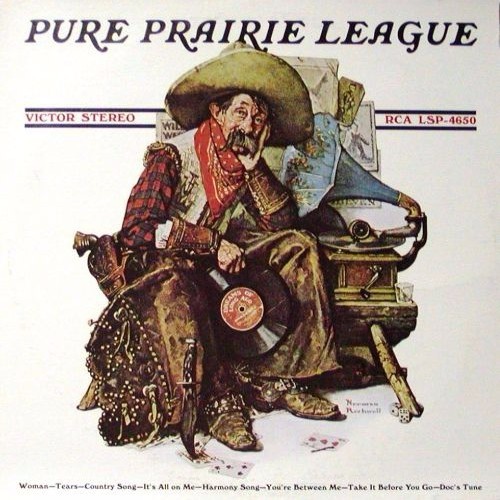
 View Artist