Song Meaning
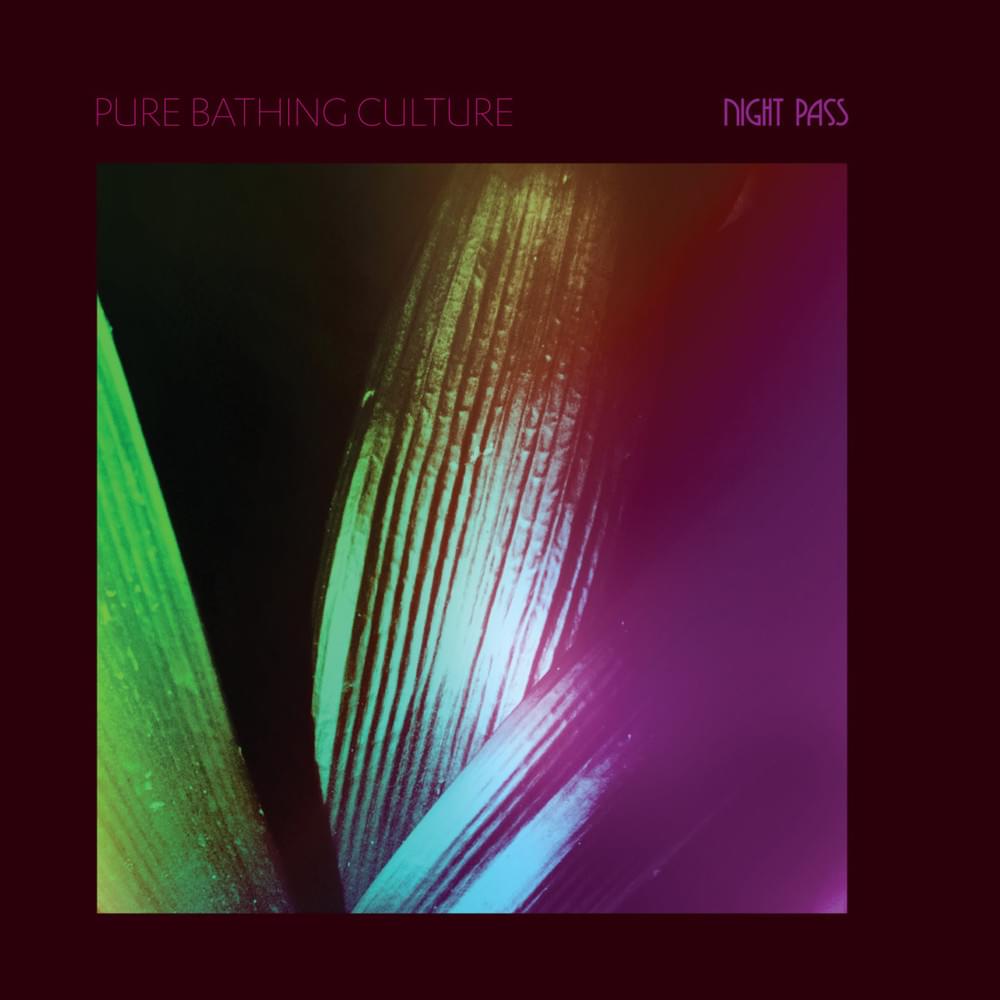
The lyrics paint a picture of serene detachment, observing celestial and earthly movements from a place of calm. The narrator positions themselves above a "joyous lake," a vantage point from which they claim not to feel jealousy towards "night ships that are sailing." This suggests a deliberate choice to remain unburdened by the journeys or perceived adventures of others, finding contentment in their own stillness.
The core tension seems to lie in this practiced non-attachment. The repeated listing of zodiac signs in the first verse and names of women in the second verse, all associated with elements like "wild red roses on their sails," could represent different paths or lives the narrator is consciously choosing not to envy. The phrase "petals for the night pass" hints at fleeting beauty or moments that are acknowledged but not clung to.
The most striking craft element is the insistent repetition of "All in line / All in time." This mantra-like chorus grounds the narrator's elevated perspective, reinforcing a sense of order and inevitability that allows for their peaceful observation. It’s a declaration of acceptance, a way of framing the world’s motion as natural and therefore not a source of personal anxiety. The final assertion, "And I / I'm not afraid, no," directly links this acceptance to a profound sense of inner peace.
This lyrical construction is effective because it builds a quiet but powerful statement of self-possession. By focusing on what the narrator *won't* feel – jealousy, fear – the lyrics articulate a state of grace achieved through mindful observation and acceptance of cosmic and personal rhythms. The "joyous lake" becomes a metaphor for this internal state of unshakeable calm.
 View Artist