Song Meaning
The lyrics paint a stark picture of prohibition, beginning with a series of "Vietato" (forbidden) commands: "scappare" (to escape), "sostare" (to linger), "mentire" (to lie), "umiliare" (to humiliate), "subire" (to endure), "recidere" (to cut off), and "morire" (to die). These restrictions are imposed upon a landscape described as "cristalli di tristezza e di ipocrisia" (crystals of sadness and hypocrisy). The narrator, however, rejects this oppressive environment, declaring, "Ma io sarà una farfalla che vola leggera" (But I will be a butterfly flying lightly) and asserting, "Non voglio più nascondermi" (I no longer want to hide).
The central tension arises from this clash between imposed limitations and the narrator's burgeoning desire for freedom and authenticity. The repeated "Vietato" phrases create a sense of being trapped, yet the narrator's internal resolve to be like a "farfalla" (butterfly) signifies a powerful will to break free. This internal liberation is further expressed through the promise to "Difenderò la grazia del mio cuore" (I will defend the grace of my heart), which is poised to "Esploderà" (explode) with beauty and virtue. The act of walking "Guardando in faccia il mondo" (looking the world in the face) suggests a confrontation with the very forces that seek to restrict.
A striking image is the "muro scricchiolante" (creaking wall) that might fall. This suggests that the structures of oppression, while seemingly solid, are fragile and susceptible to collapse when confronted with genuine courage. The contrast between the harsh, brittle "cristalli" of the environment and the soft, ephemeral image of the butterfly highlights the narrator's chosen path of gentle resilience over brittle conformity. The repeated vow to defend the heart's grace underscores a commitment to inner integrity against external pressures.
Ultimately, these lyrics resonate because they articulate a universal struggle against restrictive forces, whether societal, emotional, or psychological. The power lies in the narrator's defiant declaration of self-worth and their belief in the transformative potential of inner beauty and courage. The promise that even a "muro scricchiolante" might fall offers a hopeful, albeit conditional, vision of liberation, suggesting that resistance, even if it only causes cracks, is a meaningful act.
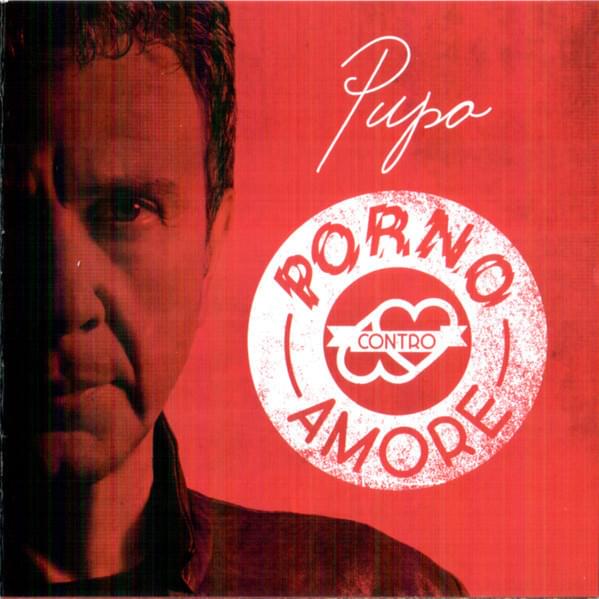
 View Artist