Song Meaning
The lyrics paint a picture of a narrator grappling with infidelity, yet choosing a path of unconditional acceptance and intense passion. The opening lines immediately establish the awareness: "Sì, io lo so che lei va con lui" (Yes, I know she goes with him). Despite this knowledge, the narrator's immediate response is forgiveness and a desire for intimacy: "Ma tornerà, la perdonerò / E poi si fa l'amore" (But she will return, I will forgive her / And then we make love). This sets up a complex emotional landscape where pain is acknowledged but seemingly overridden by a powerful, perhaps desperate, need for connection.
The central tension lies in this duality: the pain of being potentially betrayed versus the overwhelming urge to embrace the partner fully, even if only for the night. The repeated phrase "Più di prima" (More than before) becomes the anthem of this intense, perhaps fleeting, passion. It suggests a desire to make each moment count, to amplify the connection to compensate for its precariousness. The narrator seems to be saying, "If this is all we have, let's make it extraordinary." The lines "Io non so mai se tu vieni o vai / Però ti avrò stasera" (I never know if you come or go / But I will have you tonight) perfectly encapsulate this acceptance of uncertainty.
The most striking aspect of the craft is the juxtaposition of profound vulnerability with an almost defiant embrace of the present moment. The narrator is aware of the partner's potential absence or divided attention ("non so mai se tu vieni o vai") yet actively chooses to "Stringerti ancora di più" (Hold you even tighter). The repetition of "Più di prima" and "Di più, di più" (More, more) isn't just about sexual intensity; it's a plea to maximize the experience, to push beyond previous limits, as if trying to solidify something that feels inherently unstable. The imagery of the night and morning ("finché la notte va," "È già, è già mattina") frames this passionate encounter as a contained, almost timeless bubble, existing intensely between dusk and dawn.
This lyrical approach is effective because it taps into a raw, human desire for connection that can coexist with pain and uncertainty. It doesn't offer easy answers or a neat resolution; instead, it presents a complex emotional reality where love, hurt, and an overwhelming present-moment focus intertwine. The narrator's willingness to forgive and to demand "more than before" creates a powerful, almost tragic, intimacy. The lyrics resonate by acknowledging that sometimes, the most intense moments are born from the most fragile circumstances, and the desire to hold on, even tighter, is a potent response to the fear of letting go.
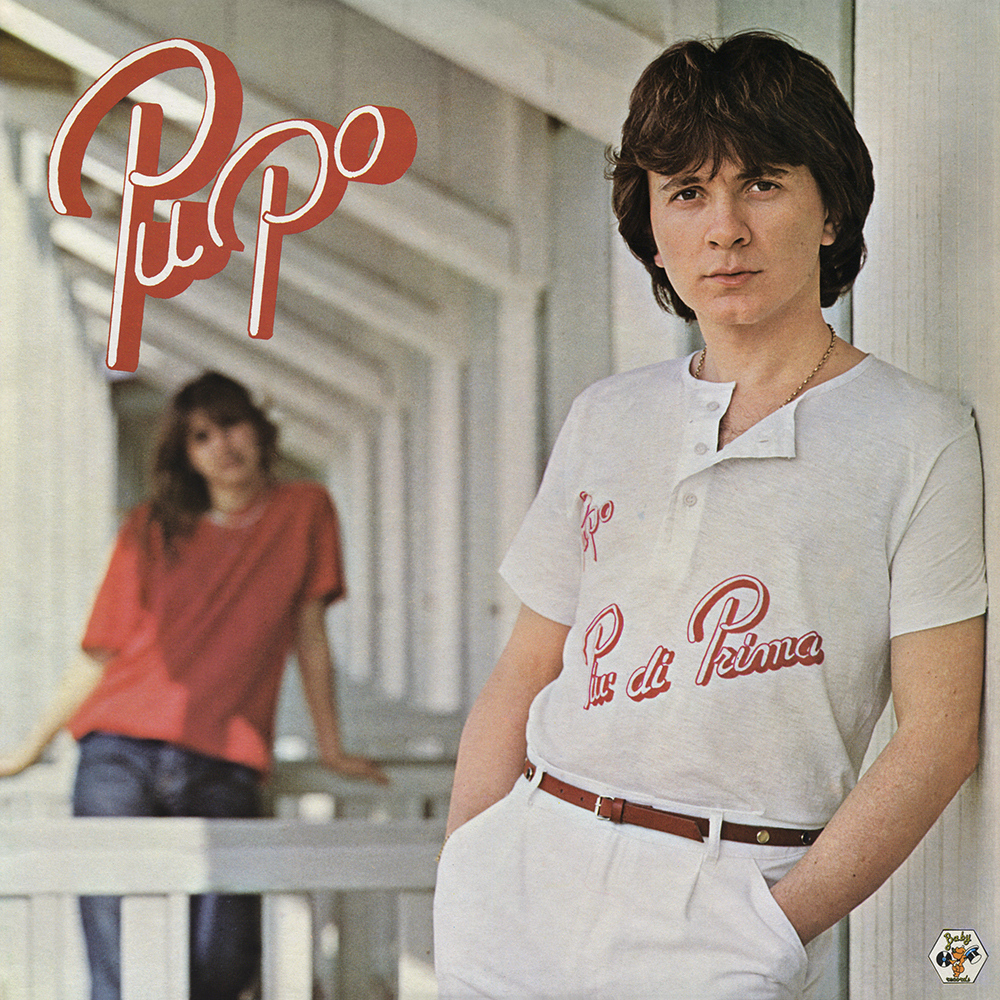
 View Artist