Song Meaning
The lyrics paint a stark picture of isolation, directly addressing "Mama Erde" and "Papa Weltgeist" not as saviors, but as entities trapped in their own cycles. "Mama Erde" is depicted with "radarohren" that only find "eignen Widerhall," suggesting a self-absorbed or limited perception. The idea that "Deine Rettung kommt nicht aus dem All" immediately dismisses any external hope, setting a tone of profound self-reliance or, more accurately, abandonment.
The central tension lies in the repeated assertion "Wir sind allein." This isn't just a statement of solitude; it's amplified by the desperate "Keiner hilft hilft hilft," emphasizing a plea that goes unanswered. The subsequent "Doch nur allein allein / Gegen uns allein" creates a paradoxical feeling: even in our shared aloneness, we are fundamentally pitted against ourselves. The "Papa Weltgeist" searching for "seinen alten drive" further reinforces a sense of cosmic weariness and decay, where even grander forces are fading or lost.
The most striking craft element is the personification of Earth and a world spirit, but to subvert expectations of comfort or guidance. Instead of benevolent deities, they are presented as figures mirroring the narrator's own predicament. The repetition of "allein" and the frantic "hilft hilft hilft" are not just lyrical choices; they function as sonic embodiments of panic and futility. The imagery of dying comets and fading tails serves as a potent metaphor for the ephemeral nature of hope and existence itself.
This lyrical construction is effective because it strips away any comforting illusions of external salvation. The direct address to "Mama Erde" and "Papa Weltgeist," only to reveal their own limitations, forces the listener to confront the raw reality of being "allein." The frantic repetition and the stark, almost bleak imagery combine to create an emotional resonance that feels both overwhelming and strangely grounding in its unflinching honesty.
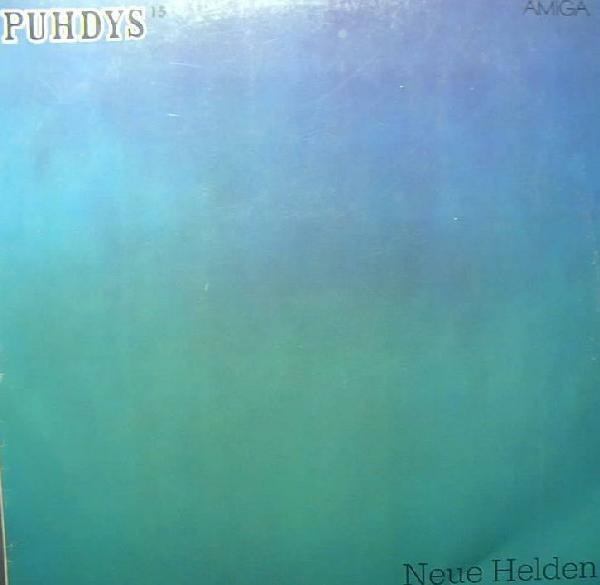
 View Artist