Song Meaning
The lyrics paint a picture of Saturday morning car culture, where shiny, freshly washed vehicles are prepped for a drive. There's an initial sense of pride and speed, a desire to "save time" and escape to the countryside. However, this idealized image quickly fractures, hinting at the potential for accidents and lasting pain, contrasting the fleeting nature of the drive with the long-term consequences of recklessness. The narrator observes this with a detached, almost critical eye.
The central tension arises from the juxtaposition of the pursuit of speed and efficiency with the stark reality of its dangers. The phrase "Ach, wie schön wird es im Grünen sein" (Oh, how nice it will be in the green) is immediately undercut by "Mancher sieht's nur mit gebrochnem Bein" (Some only see it with a broken leg). This highlights a disconnect between the aspirational joy of the drive and the potential for severe, life-altering harm, suggesting the pursuit itself might be flawed.
The repeated refrain, "Grün ist Grün! Rot ist Rot! Nehmt Euch Zeit / Heil ist Heil! Tot ist Tot! Nehmt Euch Zeit" (Green is green! Red is red! Take your time / Whole is whole! Dead is dead! Take your time) acts as a stark, almost didactic warning. It hammers home the simple, immutable rules of the road and life, urging caution. The contrast between "Heil" (whole/healed) and "Tot" (dead) is particularly potent, emphasizing that the stakes are absolute, and the call to "take your time" is a plea against the very speed the cars represent.
This lyrical approach is effective because it uses simple, declarative statements to build a profound sense of unease. The initial excitement of the "Samstag morgen" (Saturday morning) quickly gives way to a somber reflection on mortality and the irreversible nature of accidents. The final lines, describing cars "eingepackt" (packed away) on Sunday, with some "nicht alle mehr intakt" (not all intact) and "zu stark! Liegen da! Haben Zeit" (too strong! lying there! have time), offer a chilling image of the aftermath, where the very vehicles that promised freedom now represent brokenness and an abundance of time born from tragedy.
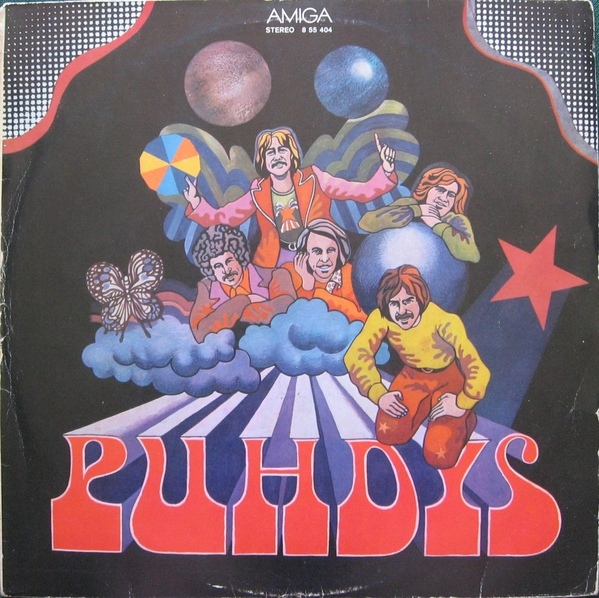
 View Artist