Song Meaning
The lyrics paint a portrait of a woman whose early nurturing instincts, expressed through playing with dolls, foreshadow a lifelong yearning for motherhood. Initially, she was a "kleine Puppenmutti," loving all her dolls equally, a tenderness that later extended to "das Nachbarbaby," where she "heimlich spielte sie Mama." This early maternal play radiated "soviel Wärme aus," hinting at a deep-seated desire to care for and nurture.
As she aged, this desire intensified, even after finding love with a man. The central tension arises from the profound absence of a child, "was sie niemals haben kann," a stark contrast to the abundance of love she had to give. This unfulfilled longing becomes the emotional core, a quiet sorrow that permeates her adult life.
The most striking aspect is the poignant repetition of "Und manchmal denkt sie an die Zeit, als sie noch Puppenmutti war." This refrain isn't just nostalgia; it suggests a retreat to a simpler time when her maternal impulses could be fully expressed, even if through play. It highlights the enduring nature of her desire and the bittersweet memory of a time when her capacity for love felt more complete.
These lyrics resonate because they capture a specific, yet deeply human, experience of unfulfilled desire. The shift from the innocent "Puppenmutti" to the adult woman facing the "versagt" (denied) possibility of a child creates a powerful emotional arc. The craft lies in its gentle, almost melancholic, storytelling, making the narrator's quiet heartbreak palpable through the simple, evocative imagery of play and longing.
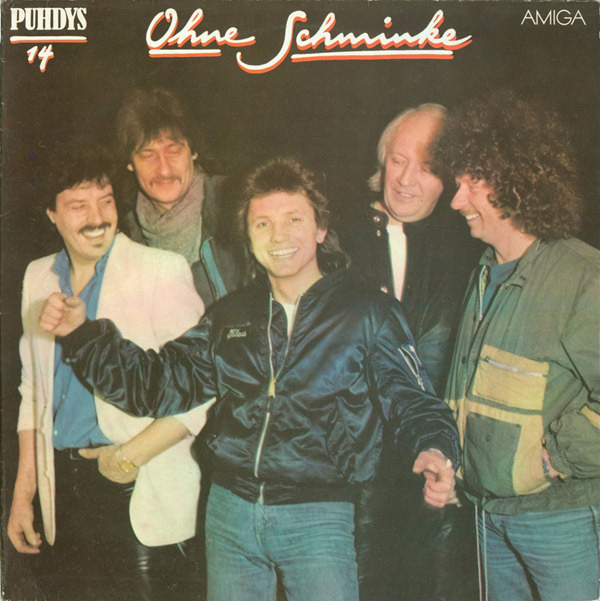
 View Artist