Song Meaning
The lyrics paint a surreal, disorienting scene, starting with a party atmosphere that quickly devolves into something stranger. The initial "light fandango" and "cartwheels" suggest a carefree, perhaps even reckless, abandon. However, this quickly shifts to a feeling of unease, with the narrator feeling "seasick" as the "crowd called out for more." The environment itself becomes unstable, with the "ceiling flew away," amplifying the sense of things spiraling out of control.
The central tension arises from a disconnect between the narrator and a companion, whose face eventually turns "a whiter shade of pale." While the companion seems to offer a simple explanation – "There is no reason / And the truth is plain to see" – the narrator is lost in his own world, "wandered through my playing cards." This suggests a refusal or inability to grasp the reality of the situation, preferring instead to remain in a state of internal distraction or denial.
The most striking image is the transformation of the companion's face, moving from "ghostly" to "a whiter shade of pale" as a "miller told his tale." This juxtaposition of a mundane storytelling act with such a dramatic physical change creates a profound sense of unease. The narrator's internal state is further emphasized by his fanciful, almost delusional, comparison of the companion to "sixteen vestal virgins / Who were leaving for the coast," even as his "eyes were opened / They might just as well be closed."
This lyrical construction is effective because it captures a specific kind of emotional and psychological unmooring. The blend of vivid, almost hallucinatory imagery with the narrator's detached, internal monologue creates a powerful feeling of being present but utterly disconnected from reality. The repetition of the miller's tale and the pale face anchors the listener in the disorienting experience, making the emotional impact feel both specific and strangely universal.
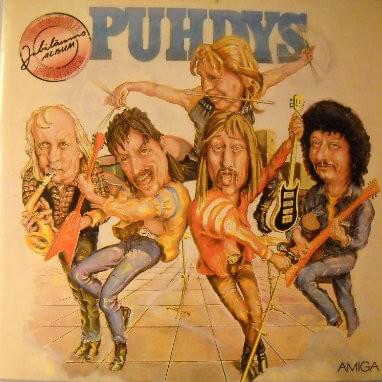
 View Artist