Song Meaning
The lyrics paint a picture of someone reveling in newfound freedom and financial stability after a partner's departure. The repeated declarations of "De e bra, de e bra" and "De e fint, de e fint" establish an immediate sense of relief and contentment. This positive affirmation is underscored by phrases like "Å de e skönt, Å de e härligt, Å de e toppen," creating a strong emotional tone of liberation and ease.
This apparent bliss, however, is directly tied to the partner leaving, specifically taking their "pack å stack" and "pick å knäck." The narrator then lists numbers, "Ja sa en, ja sa två, Ja sa tre, ja sa fyra," which seems to signify a counting down or a sequence of events leading to their current positive state. The crucial shift occurs with the lines "Ja slipper bli vräkt, Kan betala min hyra," revealing the underlying financial stress that the partner's presence or actions might have caused.
The most striking aspect is the narrator's sarcastic or ironic gratitude for the partner forgetting certain items. They "glömde kvar din tok, Å din sparbanksbok," and later, "du har en till din snok, Å en sparbanksbok." This suggests the partner was perhaps irresponsible or financially precarious, and their departure, along with the forgotten items, paradoxically solved the narrator's problems. The repetition of "sparbanksbok" emphasizes this ironic twist.
The lyrics effectively use this contrast between initial declarations of well-being and the underlying reasons for that well-being to create a complex emotional landscape. The narrator isn't just happy; they are specifically happy *because* the partner left, implying a relationship that was a burden. The final lines, "Men snart knall å fall, För snart e´ru här, Av misstag man lär," hint at a potential return or consequence, adding a layer of unease to the otherwise triumphant tone, suggesting the relief might be temporary or built on shaky ground.
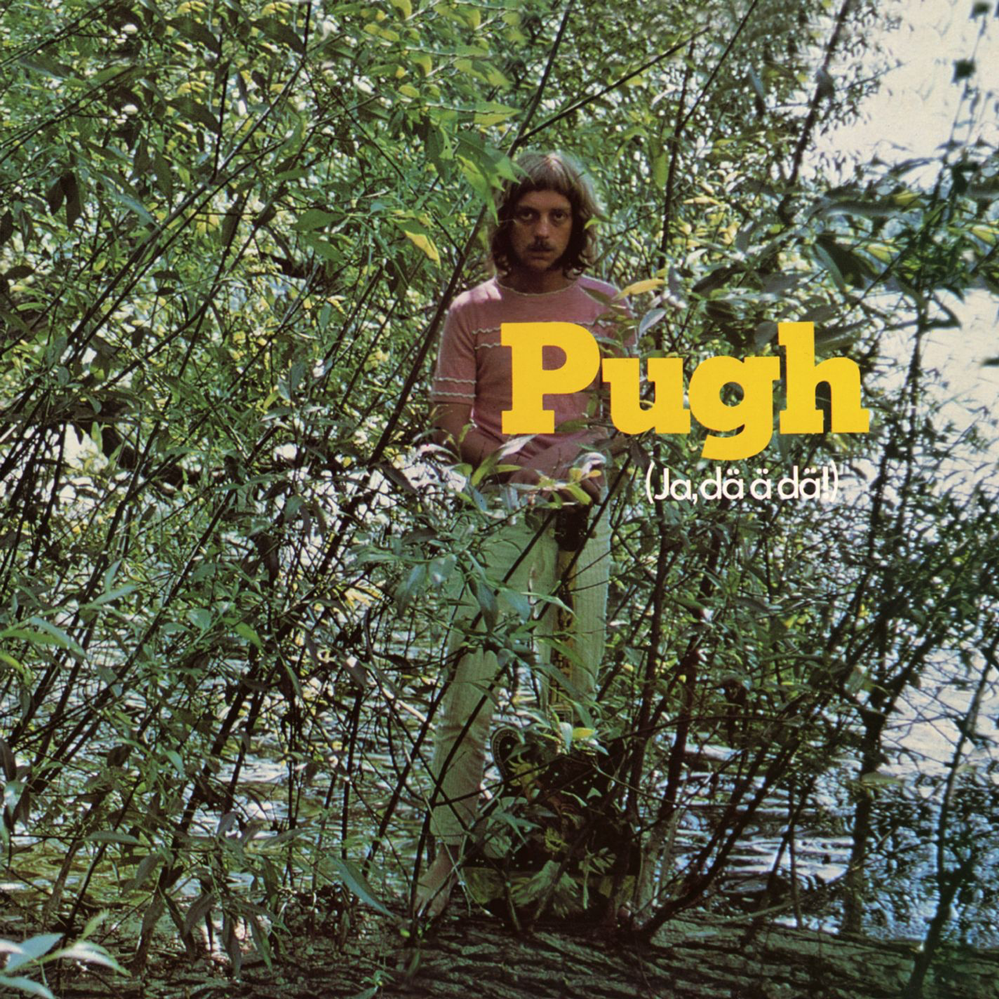
 View Artist