Song Meaning
The lyrics paint a bleak picture of inertia and desperation, where even the act of planning for the future feels like a futile exercise. The narrator is stuck in a loop of inaction, too apathetic to work and too fearful to resort to illicit means. This paralysis is underscored by the repeated refrain, "I don't want you to know," suggesting a deep-seated shame or a desire to hide their current state of disarray from an unnamed observer.
The central tension lies in the stark contrast between the desire for a better future and the inability to achieve it. The narrator observes others, like the ant being sprayed with Raid, and draws a grim parallel to their own existence, contemplating the cost and loss inherent in their situation. The line "Tiredness kills / Much more than they let on" points to a profound exhaustion that saps the will to live, a weariness that goes beyond simple fatigue.
A striking element is the juxtaposition of grand aspirations with mundane, even squalid, realities. The narrator sees the observed person outside "The Special Way" with a "bottle of pleasure," while they themselves are "lost on my old street" looking for a place to live. Later, the observer is seen outside a gallery walls with a "tragic notion," while the narrator is in a "rented room" searching for the "will to live." These images highlight a shared struggle for meaning and survival within the same "fair city," yet experienced from vastly different, or perhaps equally bleak, perspectives.
Ultimately, the effectiveness of these lyrics stems from their raw portrayal of existential dread and the quiet desperation of feeling trapped. The repetitive structure and the simple, direct language amplify the sense of hopelessness. The repeated "For tomorrow" in the outro, devoid of any positive connotation, becomes a haunting echo of a future that remains perpetually out of reach, a promise that feels more like a curse.
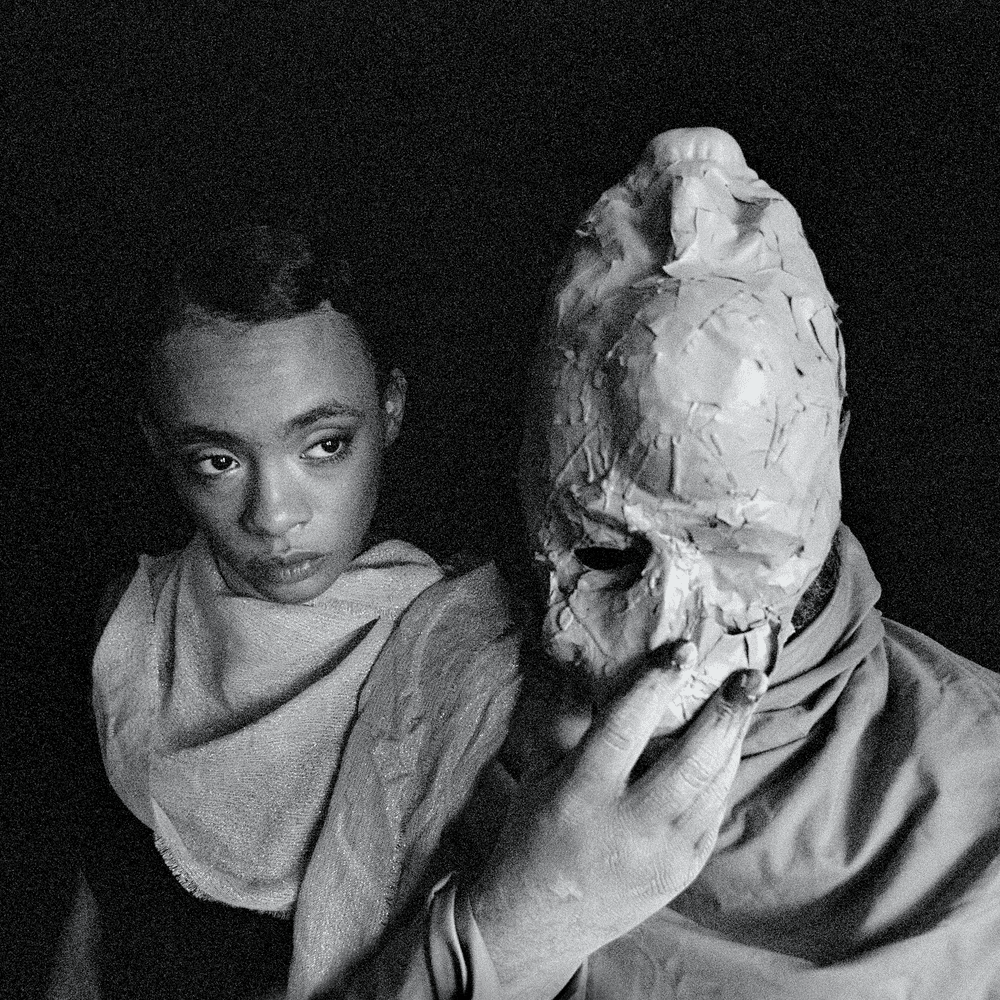
 View Artist