Song Meaning
The lyrics paint a stark portrait of a destructive force, explicitly rejecting the role of a comforting presence. The narrator declares, "I am no heartache remedy," and "I'm not good for you," immediately establishing a persona that thrives on causing distress rather than alleviating it. This isn't about healing or solace; it's about a deliberate infliction of pain, a concept amplified by the repeated assertion, "Your pain is my reward."
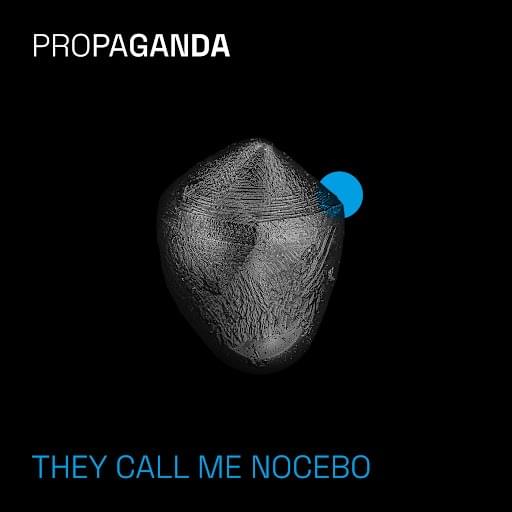
The central tension lies in the narrator's self-proclaimed identity as a "nocebo" – the opposite of a placebo, a substance or suggestion that causes harm. This is framed not as an accidental outcome but as a desired effect, a "sweet addiction" that promises "forever" hurt. The lyrics suggest a parasitic relationship where the narrator's existence is fueled by the suffering of another, a dynamic that is both terrifying and, paradoxically, sought after by the recipient.
The most striking aspect of the writing is the personification of this destructive influence. It's not just an abstract concept but something that "occupy[ies] your mind" and gets "in your bloodstream," making "your heart scream." The imagery of the narrator "rampage[ing] inside" while the victim's "eyes are shut wide" creates a visceral sense of violation and helplessness, highlighting the insidious nature of this harmful entity. The contrast between the victim's unawareness and the narrator's active malice is chilling.
Ultimately, these lyrics resonate because they articulate a dark, almost primal, fascination with self-destruction and the allure of harmful influences. The blunt, almost taunting, repetition of "They call me nocebo" solidifies this identity, daring the listener to acknowledge the destructive forces that can take hold. It’s effective because it’s so unapologetically direct, confronting the listener with an uncomfortable truth about the appeal of pain and the entities that embody it.