Song Meaning
The lyrics open with a stark call to action, "Bora gang, bora again," immediately plunging the listener into a chilling descent. The scene is one of profound darkness and extreme cold, where the narrator prepares for an almost unimaginable journey. The repeated phrase, "a gente tem que 'tar a ver bem no dark," immediately sets a tone of grim necessity.
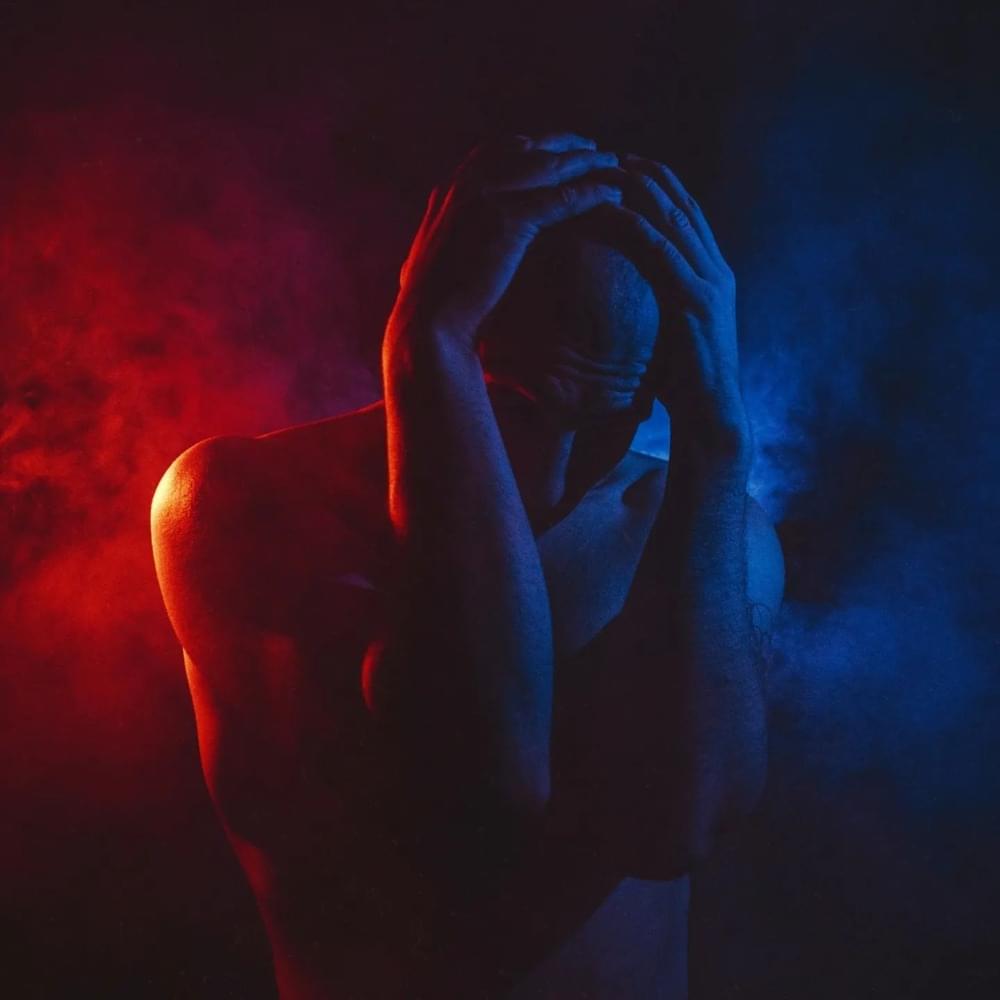
The core tension lies in the narrator's forced confrontation with a hellish realm. Descriptions like a "temperatura gélida que quase gela a jugular" and the need for "ajuda angélica" for this "Divina Comédia do Dante" underscore the overwhelming terror and the sheer impossibility of navigating this place alone. It's a journey into an abyss of suffering, where even the bravest would falter.
The lyrics masterfully employ powerful allusions and unsettling contrasts. Comparing the scene to Picasso's "Guernica pintada me'mo pela Guerra com sangue" and noting "cada grito... arrepiaria o Genghis Khan" elevates the horror to an epic, historical scale. Yet, the chilling detail of a "tabuleiro com uma maçã" before each dungeon, and the observation that "foi tudo vestido p'á ocasião," introduces a macabre formality, suggesting a ritualized, inescapable suffering rather than chaotic violence.
This blend of grand, terrifying imagery with subtle, disturbing details makes the lyrics profoundly effective. The sense of immense "pressão lá em baixo" — "maior que o ponto mais fundo do oceano" — conveys a crushing despair. The initial "Bora again," juxtaposed with such overwhelming dread, suggests a grim, almost fated return to this horrifying landscape, leaving the listener with a visceral sense of its inescapable pull.
 View Artist