Song Meaning
The lyrics paint a picture of profound disorientation and a desperate search for meaning that yields nothing. The opening lines establish a relentless, inescapable present, with the "electric clock's alarm bell" that "will not stop" and the narrator seeing "no end in sight." This feeling is amplified by a futile search for guidance, represented by a "long road that goes nowhere" and a "signpost that is not there," all illuminated by the weak, insufficient light of a "candlelight."
The central tension arises from the narrator's internal state versus the external world, and the bizarre, almost surreal imagery that populates it. While the narrator is lost and confused, the external world seems to offer strange gifts, like "three kings" bringing "myrrh and frankincense" and "fat old Buddhas carved in gold." Yet, even these seemingly benevolent figures are perceived not as helpful, but as envious, mirroring the narrator's own internal state of "befuddled brain" that "shines on brightly, quite insane."
The most striking aspect of the craft is the persistent, almost mantra-like repetition of "my befuddled brain / Shines on brightly, quite insane." This phrase, appearing at the end of multiple stanzas, transforms the narrator's confusion and mental distress into a kind of perverse, involuntary brilliance. The contrast between the internal chaos and the external, albeit bizarre, offerings, coupled with the self-aware yet helpless declaration of insanity, creates a powerful sense of existential unease.
Ultimately, these lyrics resonate because they capture a feeling of being overwhelmed and adrift, where the very act of trying to make sense of things leads only to a more profound, almost luminous, madness. The "shine on" refrain, delivered with a "hah," suggests a dark, ironic acceptance of this state, a forced cheerfulness in the face of utter bewilderment.
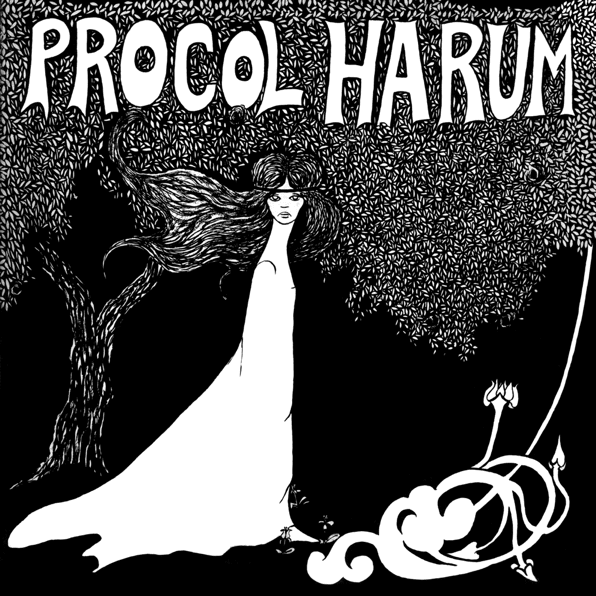
 View Artist