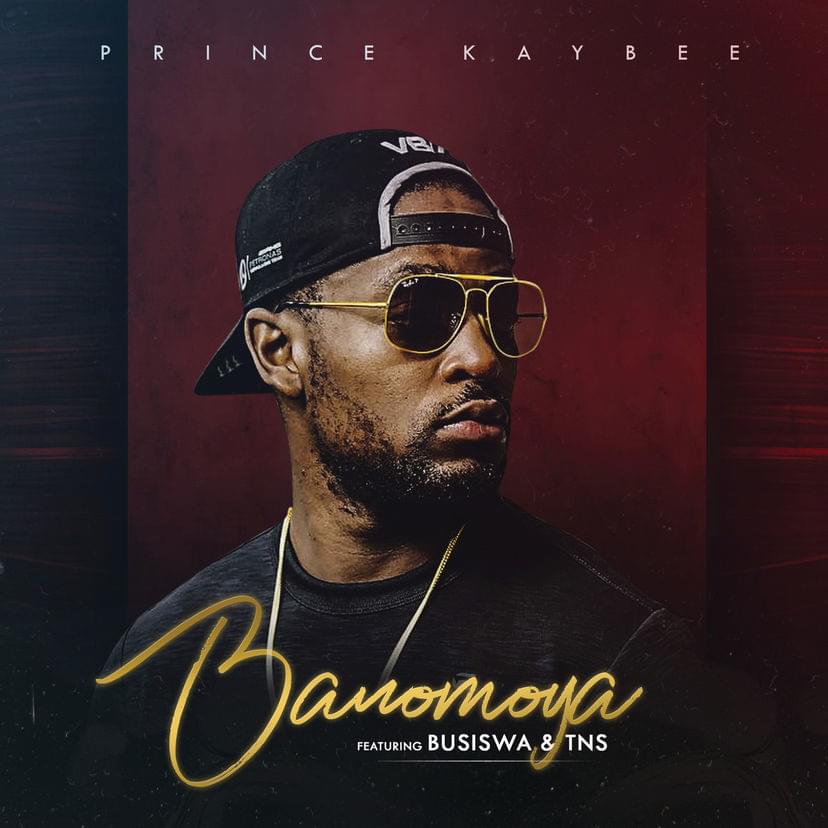
Song Meaning
The lyrics paint a vivid picture of people who are perceived as having a certain 'spirit' or attitude, often associated with ostentatious displays of wealth and social climbing. The narrator observes these individuals, noting their tendency to buy champagne and lobola (bridewealth), suggesting a performance of prosperity and social standing. There's a clear sense of detachment and observation from the narrator, who seems to be commenting on this outward show.
The central tension arises from the contrast between this perceived 'spirit' and the reality of the situation. The narrator warns against being fooled by appearances, specifically cautioning against labeling someone a "Slay Queen" based on their style or assuming they are only interested in money. The lyrics suggest that this outward display might be superficial, with the person ultimately leaving the party without having truly 'won' or gained anything substantial.
A particularly striking element is the repetition of "Banomoya" (they have spirit/attitude) and the direct address "Ungazobhora" (don't bore me/don't be boring). This creates a dismissive yet observant tone. The imagery of "Champagne" and "lobola" juxtaposed with the idea of leaving "Enga win-wanga" (as if not won) highlights the potential hollowness behind the facade. The shift to TNS's verse introduces a different energy, describing a passionate, all-consuming relationship or force, like "fire" and "rhino," that is undeniable to everyone.
Ultimately, the effectiveness of these lyrics lies in their sharp social commentary and the way they dissect superficiality. The narrator's keen eye for detail and the cautionary tone create a sense of knowing wisdom. The contrast between the observed "Banomoya" and the raw, undeniable force described by TNS suggests different kinds of power and presence, one perhaps performative and the other elemental and real.