Song Meaning
The lyrics paint a bleak picture of a world teetering on the brink of collapse, personified by a 'crippled oracle.' This figure, with 'lungs like grit' and 'blackened hands,' seems to embody a profound, ancient weariness. The imagery suggests a world not just broken, but fundamentally inhospitable, a sentiment explicitly extended to the listener: 'This world is not for / You nor I.'
The central tension arises from a perceived fall from grace. The narrator questions who or what 'cast the shadow upon our age,' lamenting a time when the 'burden was less' and the experience wasn't defined by 'grief and... fear.' This implies a historical or cosmic shift, a loss of innocence or clarity that has left humanity 'crippled' and 'blinded.' The oracle's counting of 'awful years' until inevitable destruction – 'mountains crumble,' 'civilisations turn to dust' – underscores this sense of impending doom.
The most striking craft element is the cyclical nature of the narrative. The oracle's labored breathing and the declaration that 'This world is not for / You nor I' bookend the song, framing the lament about a lost golden age and the prophecy of ruin. This repetition reinforces the inescapable, perhaps eternal, nature of the world's suffering and the oracle's burden. The contrast between the 'young Gods' and the current 'age' highlights the depth of this perceived decline.
Ultimately, the lyrics resonate through their stark fatalism and vivid, unsettling imagery. The oracle isn't just a prophet; he's a physical manifestation of decay, his very breath a testament to the world's harshness. By extending this grim reality to 'you nor I,' the song forces a confrontation with a sense of collective, inevitable decline, making the listener feel the weight of this 'tragedy's birth.'
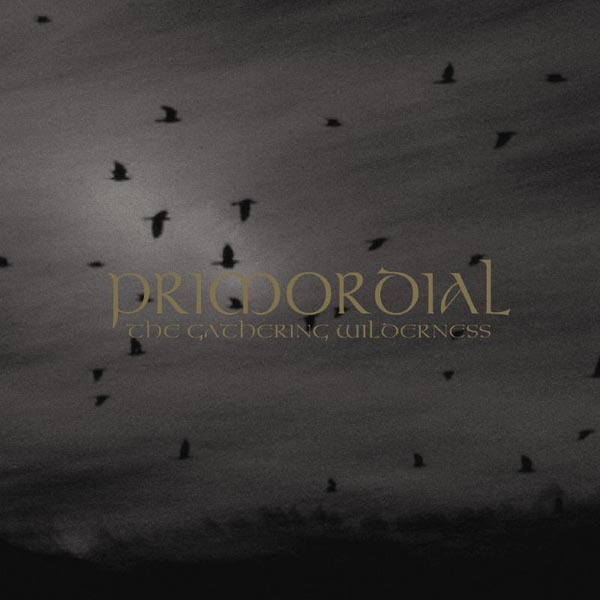
 View Artist