Song Meaning
The rain keeps falling, a constant, almost indifferent backdrop to a figure locked in grief. This solitary mourner remains long after the rituals of mourning have ended, a stark contrast to the world that has moved on. The image of standing beneath "sorrowed eaves" and among "rotting autumn leaves" paints a picture of decay and prolonged sadness, suggesting a state of emotional stagnation.
This isn't just about sadness; it's about an enduring, almost eternal commitment to remembrance. The lyrics highlight how others have returned to their lives, their outward displays of grief – the flowers, the wailing, the black attire – have ceased. Yet, the mourner's vigil continues, marked by an unbroken "forgotten" state, implying a refusal or inability to let go. This creates a powerful tension between the transient nature of public mourning and the persistent, private burden of loss.
The most striking aspect is the shift in perspective, asking "If I am the mourner, Who shall know my name?" This moves the focus from an observed figure to a deeply personal, almost existential question. It suggests that this profound, solitary grief is so consuming it erases identity, leaving only the pain and the act of watching over the lost. The repetition of "solitary mourner stands / To watch over you" reinforces this singular, unwavering focus, even as the world outside fades.
The effectiveness lies in its stark, unadorned portrayal of enduring loss. It captures that isolating feeling when everyone else seems to recover, but the ache remains a constant companion. The lyrics don't offer resolution, but rather a profound acknowledgment of a grief so deep it becomes a permanent state of being, a quiet, unyielding watch.
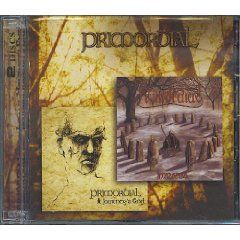
 View Artist