Song Meaning
The lyrics paint a stark picture of an inevitable, desolate future where even the vast sea will become a barren desert, mirroring the finality of death. This imagery sets a tone of profound existential dread, suggesting that all earthly endeavors and even natural landscapes will eventually succumb to decay and oblivion under a relentless, unforgiving sun. The repeated phrase "of the Earth" grounds this cosmic decay in a tangible, physical reality, emphasizing the ultimate fate of all things.
This bleak outlook is amplified by the narrator's assertion that the present moment is "no place for faith, nor for hope," framing existence as a grim passage through "the darkest of nights." This isn't a hopeful journey; it's a descent into an overwhelming darkness, a struggle against forces that seem to extinguish any possibility of solace or redemption. The repetition of "darkest of nights" underscores the depth of this despair, suggesting a profound and inescapable despair.
The lyrics then shift to describe the perpetrators of suffering: "wounds made by cold hands" that wield "steel" and "harsh weapons." These hands are characterized by their capacity to "render life extinct" and "punish the weak," implying a deliberate, brutal cruelty. This imagery evokes a sense of deep-seated violence and oppression, suggesting that human actions have inflicted profound and lasting damage upon the world and its inhabitants.
Ultimately, the song poses a powerful rhetorical question, challenging the very notion of national identity by asking, "what nation on this Earth / Is not born of tragedy?" The lyrics suggest that all human societies, regardless of their claims or history, are fundamentally rooted in suffering and violence, shaped by "cruelty's desire." This perspective offers a cynical, yet perhaps honest, assessment of human civilization, where progress and identity are inextricably linked to pain and destruction.
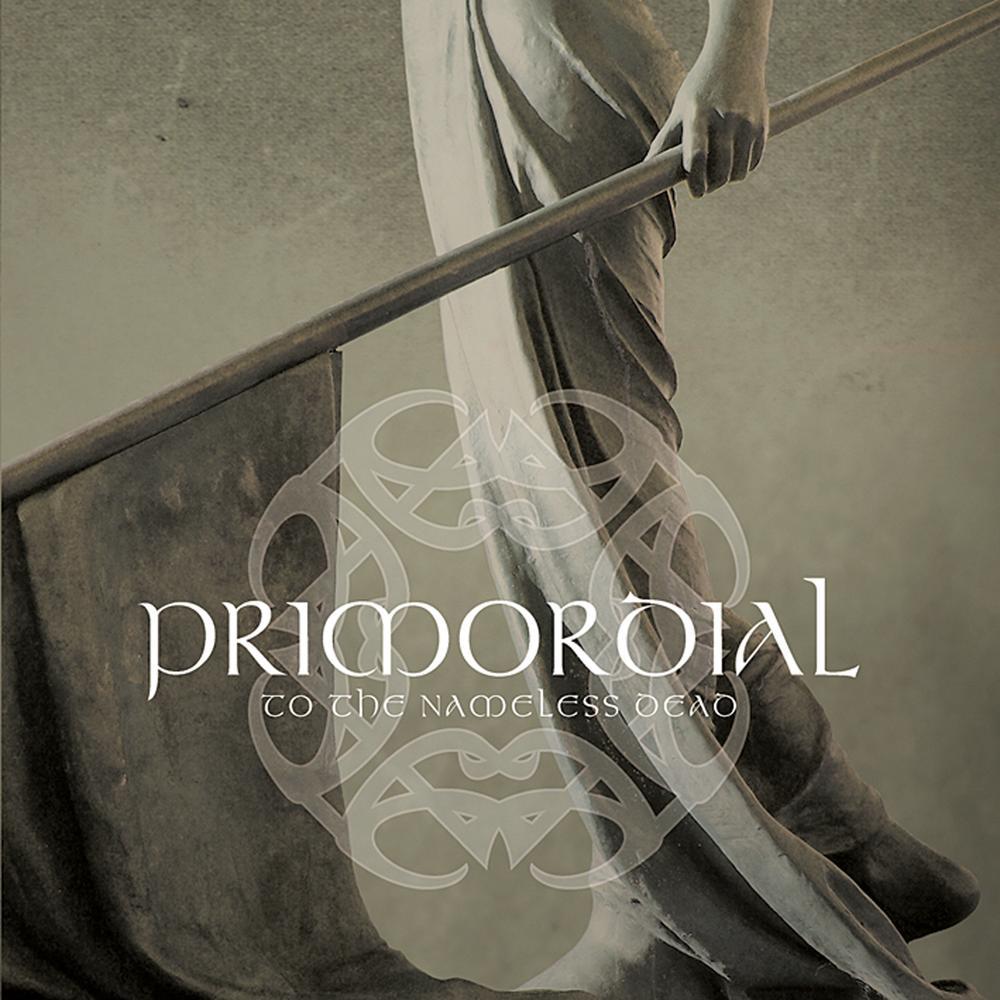
 View Artist