Song Meaning
The lyrics paint a picture of a somber, almost gothic scene, steeped in a sense of loss and a desperate attempt to reclaim something gone. The opening lines immediately establish a stark contrast: "Her skin, so pale... shrouded in black," setting a tone of mourning or perhaps a spectral presence. The narrator's desire to "draw down the veil" suggests a wish to uncover or reanimate something hidden, a plea to bring back a lost connection or person.
The central tension seems to revolve around a profound, almost possessive grief. The narrator declares, "I am at one with what never lived," a chilling statement that blurs the lines between the living and the dead, or perhaps signifies a deep empathy with something that has ceased to exist. This is followed by a defiant offering: "I'll draw down the veil, and offer up what I have to give," implying a willingness to sacrifice or engage in a ritual to achieve their goal, even if it's with something intangible.
The craft here is in the potent, unsettling imagery and the rhetorical questions that drive the narrative forward. Phrases like "summers funeral" and "lay my bed with thorns" create a sense of decay and pain, juxtaposing the typical warmth of summer with death. The repeated question, "Shall you try and poison my words," and the command, "Rest in your grave," indicate a struggle against an external force or an internal conflict that the narrator is actively confronting, refusing to be silenced or ensnared any longer.
Ultimately, the effectiveness of these lyrics lies in their evocative, melancholic atmosphere and the narrator's fierce, albeit dark, resolve. The final lines, "I can no longer hear, silence calling your name / Or the choirs of ruin, lamenting your pain," suggest a breaking free from a suffocating sorrow. The narrator is moving beyond the echoes of loss, finding a new, albeit stark, clarity in the absence of that pain and the silence that once defined it.
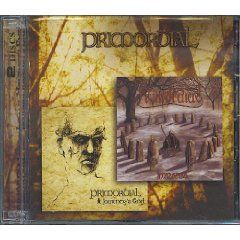
 View Artist