Song Meaning
These lyrics paint a brutal, visceral picture of profound suffering and exploitation, likely within a religious or cult-like context. The opening lines immediately establish a scene of physical torment and degradation, with "knees were cracked and broken" and "genuflect in dirt and broken glass." This sets a tone of abject misery, where even acts of supposed devotion are marked by violence and pain. The imagery of "demons of the cloth" suggests a corrupt or abusive authority figure, hinting at sexual violence and the violation of the vulnerable. The dominant emotional texture is one of horror and despair.
The central tension arises from the stark contrast between religious imagery and the horrific reality described. The "house of the lord" becomes a place of "charnel fodder" and "unmarked graves," a perversion of sanctuary. The "ghosts of the charnel house" are explicitly stated to be "born to deathless guilt" and "shameful night," suggesting a cyclical, inherited trauma or a state of perpetual damnation imposed by their circumstances. This isn't just about present suffering; it's about a legacy of pain and degradation.
The repeated phrase "ghosts of the charnel house" acts as a haunting refrain, emphasizing the inescapable nature of their plight. The lyrics powerfully juxtapose sacred and profane elements: "rape our wretched flesh at the alter" and "scavengers of the cross." The "poor mouth" speaking of "begging bowl politics" further underscores the theme of exploitation, where faith or religious structures are used to control and extract from the destitute. The writing crafts a suffocating atmosphere through its unflinching depiction of physical and spiritual decay.
This writing achieves its impact through relentless, unflinching imagery and a consistent tone of dread. The specificity of the suffering – "pale backs ripe from the lash," "fingers worked to the bone" – makes the abstract horror concrete. The cyclical nature of the guilt and shame, reinforced by the final lines, leaves the listener with a profound sense of unease and the weight of inherited suffering. It’s effective because it refuses to offer solace, instead forcing a confrontation with extreme degradation and corrupted faith.
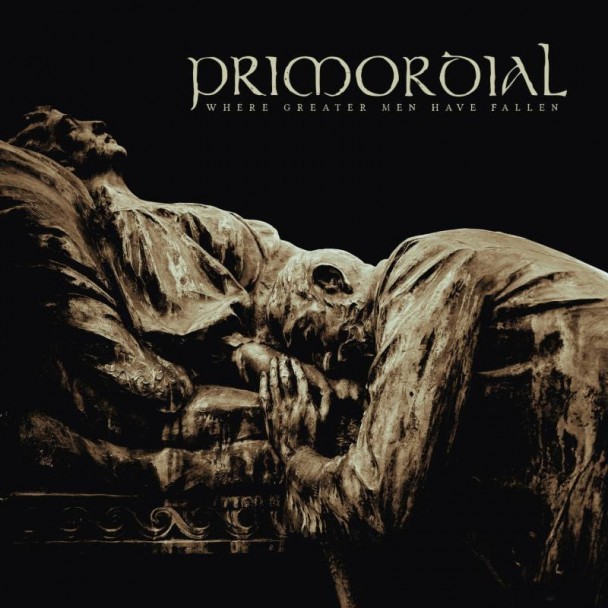
 View Artist