Song Meaning
The narrator finds themselves in a state of paradoxical suffering, "unbound in my misery" and "drunk in my sobriety." This internal turmoil is contrasted with the external world, particularly the natural cycle of autumn. The season becomes a powerful, almost sentient force, gathering and shedding the narrator, mirroring their own sense of falling. This falling is not a quick descent but an extended, agonizing process, emphasizing a profound isolation: "No one ever saw / How far I fell."
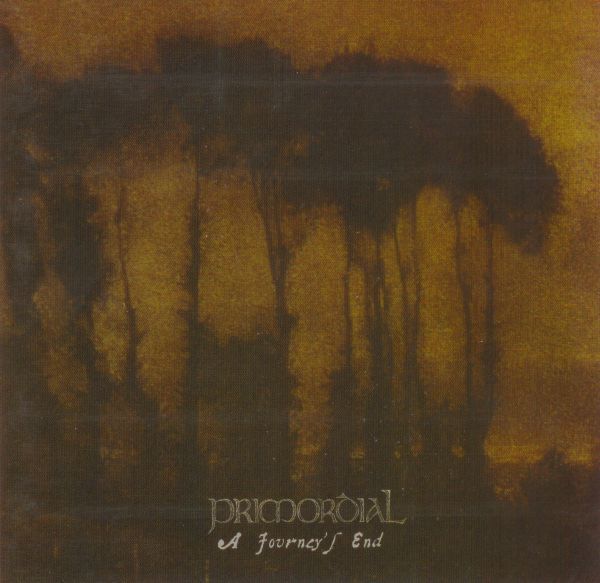
The lyrics articulate a deep sense of personal failure and isolation. The repeated phrase "From the grace of man" suggests a fall from a state of belonging or societal acceptance, a descent into a private hell that remains unseen. The imagery of autumn, with its "golden brown" hues and leaves shedding "like a second skin," offers a strange comfort, a natural parallel to the narrator's own disintegration. This connection to nature, however, is tinged with a sense of foreboding, especially with the invocation of "Sister Morrigu," a figure associated with fate and death.
The central tension lies between the narrator's internal, unseen struggle and the external manifestations of their pain. The "fire, in your eyes tonight" could be a reflection of their own inner conflagration or a perceived intensity in another, a fleeting moment of connection or confrontation. The concluding lines, "Another passionate night / Another hopeless fight / And another battle that I've lost," solidify the cyclical nature of their despair, a continuous cycle of intense but ultimately losing struggles. The lyrics suggest a profound weariness, a resignation to a fate where private moments of suffering are rarely acknowledged and battles are perpetually lost.
 View Artist