Song Meaning
This intro sets a stage of spiritual inspiration and humble dedication. The narrator acknowledges that the "antigas ideias" (old ideas) and "novos adeptos" (new followers) weren't originally theirs but were divinely inspired. This divine spark, the "Santo Espírito de Deus" (Holy Spirit of God), is presented as the source of their mission to bring a healing, saving, and liberating message to their people. The tone is one of profound reverence and a sense of being a conduit for something greater.
The core tension lies in the narrator's self-perceived unworthiness contrasted with their unwavering commitment to the divine mandate. They explicitly state, "Também eu não sou digno" (I am also not worthy), drawing a parallel to John the Baptist, who preached a message he felt he was not worthy to deliver. This humility doesn't deter them; instead, it seems to underscore the power of the message itself and the grace that enables its transmission.
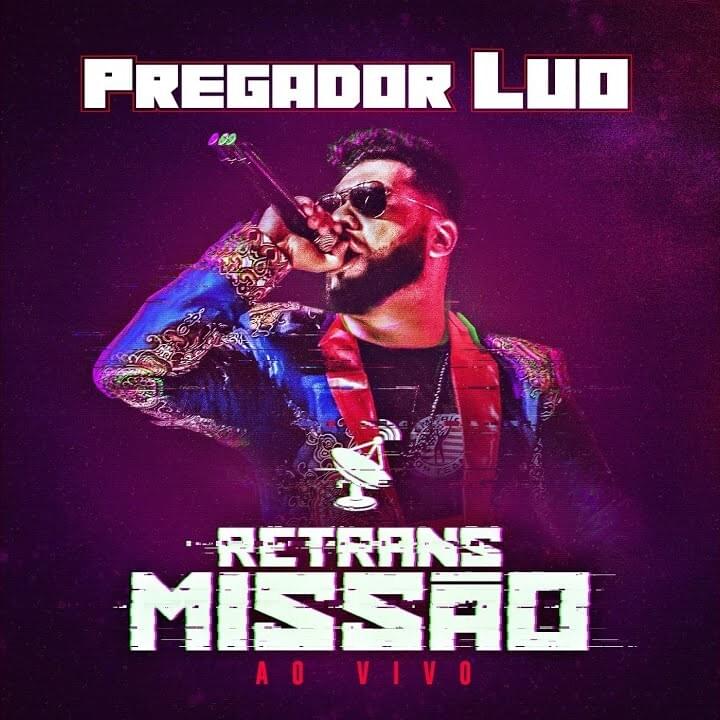
The most striking craft element is the direct invocation of biblical figures and the concept of a spiritual legacy. By referencing John the Baptist and Yohana Almamadã (likely a reference to John the Baptist in another tradition or a similar prophetic figure), the narrator grounds their mission in a long lineage of divine messengers. The repeated "Sejam todos bem-vindos" (Be all welcome) acts as an open invitation, framing the entire endeavor as a communal reception of this sacred "Retransmissão" (Re-transmission).
This lyrical approach is effective because it immediately establishes a sense of gravitas and shared purpose. The narrator's vulnerability about their own worthiness, coupled with the certainty of the divine source and the welcoming tone, creates an atmosphere of both profound respect and inclusive participation. It invites the listener to feel part of a significant, divinely guided movement, emphasizing the message's transformative power over the messenger's personal merit.
 View Artist