Song Meaning
The lyrics paint a stark picture of broken promises and the fleeting nature of loyalty. We open on a scene of abandonment: a thousand-mile journey ends with one person left behind on the roadside, while the other secures a ride. This immediate betrayal sets a somber tone, suggesting that even the most earnest intentions can crumble under pressure or temptation. The repeated phrase, "He swore he'd never leave her / He meant it 'til he did," hammers home this theme of inevitable failure, highlighting a painful contrast between stated commitment and actual behavior.
The central tension lies in the cyclical pattern of betrayal and the listener's implied urge to avoid a similar fate. The narrator issues a warning, "Before you say you're lucky / Before you say he's good," directly advising caution and a healthy dose of skepticism. This isn't just about one specific instance of infidelity; it's about a broader human tendency to falter, to break vows, and to disappoint. The subsequent verses mirror this dynamic with a new character, "She swears she'll never leave him / She means it but she will," reinforcing the idea that this pattern is not gender-specific but a pervasive aspect of relationships.
The most striking craft element is the persistent, almost ritualistic invocation of "Knock on wood." This phrase, traditionally used to ward off bad luck or tempt fate, becomes a desperate plea against the very real possibility of experiencing the same heartbreak. It's juxtaposed with the stark admissions of broken promises, creating an ironic tension: can superstition truly protect against such predictable human failings? The repetition of "Broke your promise / Broke your word" acts as a grim refrain, underscoring the consequence of these broken vows and the fragility of trust.
Ultimately, these lyrics resonate because they tap into a universal fear of abandonment and betrayal, but ground it in specific, relatable scenarios. The writing doesn't offer easy answers or platitudes; instead, it presents a raw, unflinching look at how easily good intentions can sour and how often we find ourselves repeating mistakes. The effectiveness comes from the direct, almost conversational warning, coupled with the stark imagery of abandonment and the haunting repetition of the "knock on wood" refrain, leaving the listener with a sense of unease and a healthy dose of caution.
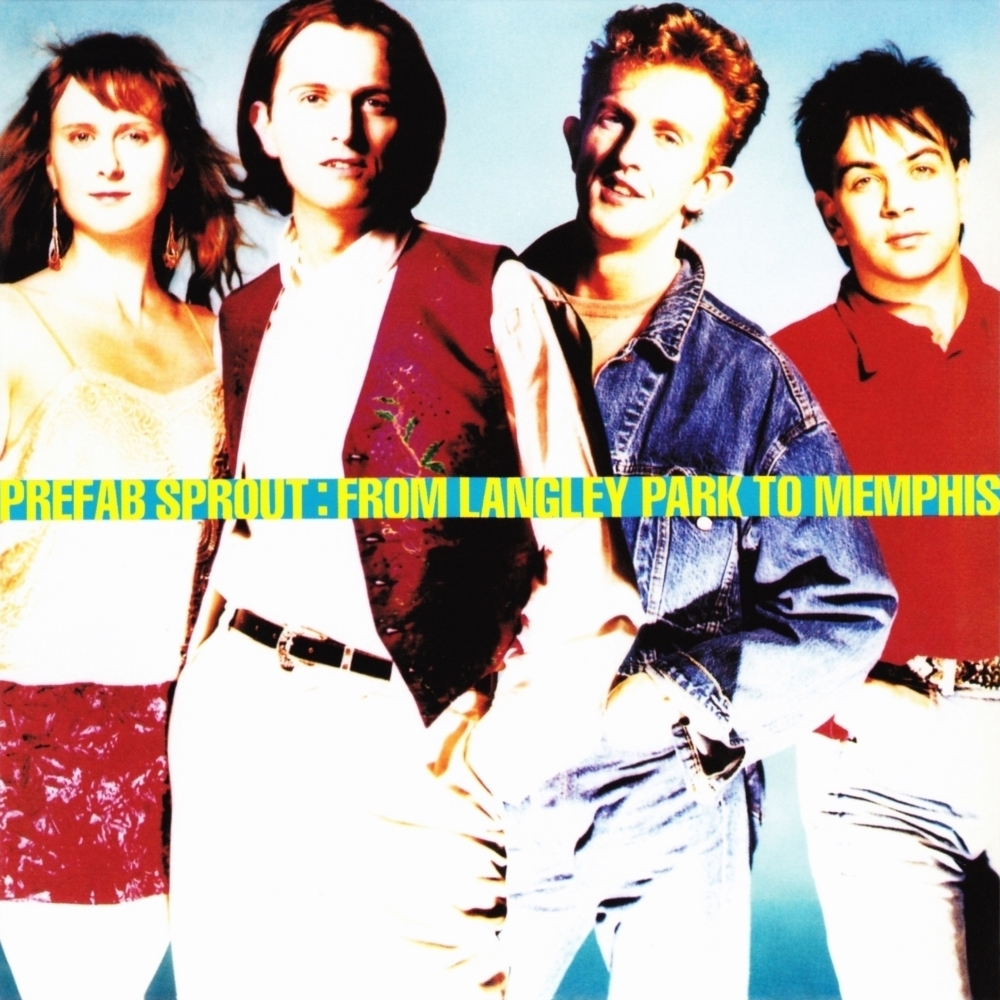
 View Artist