Song Meaning
These lyrics open with a series of stark, almost jarring generational contrasts. We see grandfathers of wealth or unusual nature, fathers of status or intellect, and sons who seem to embody a kind of decline or rebellion. Each observation is punctuated by the insistent question, "Kas tālāk?"—"What's next?"
This repeated inquiry creates a central tension, suggesting a search for meaning or consequence in life's unpredictable trajectory. The progression from "miljonārs" to "huligāns" or from "erudīts" to a son with "celulīts" isn't a neat, linear path. Instead, it seems to highlight the often absurd and unexpected turns life takes across generations, leaving the narrator to wonder about the ultimate destination.
The craft here is in the sharp, almost cynical juxtaposition of images. The lyrics move from the almost divine "Vectēvs svētais gars" to "Tēvs Venēra un Marss," only to land on "dēli - muļķu bars" (sons - a crowd of fools). This dramatic shift, from spiritual grandeur to utter foolishness, underscores a sense of disillusionment, using irony to question the value of inheritance or lineage.
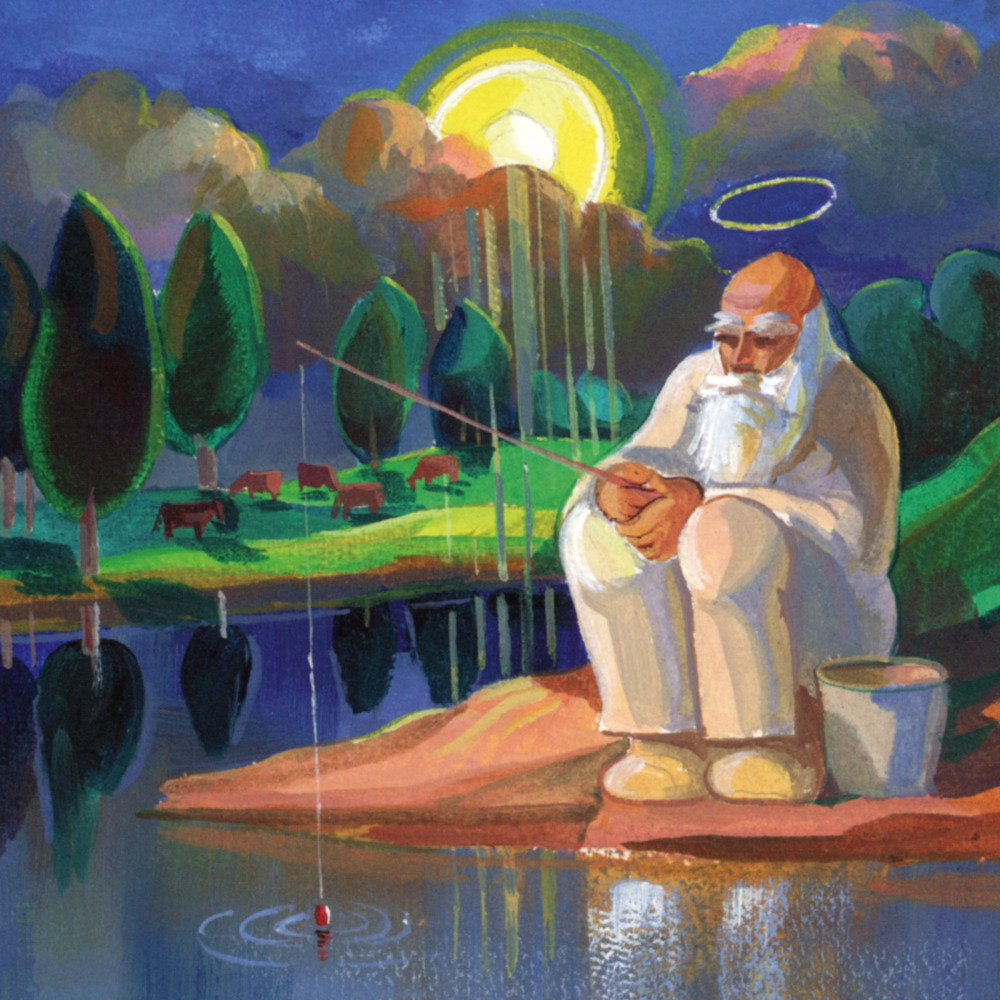
Ultimately, the lyrics pivot from earthly observations to an existential reckoning. The image of "Kāpnes stiepjas debesīs" (Stairs stretch to heaven) and St. Peter waiting at the gates grounds the earlier, disparate observations in a universal truth: everyone faces a final judgment. The line "Neviens tevi augstāk nenesīs" (No one will carry you higher) powerfully emphasizes individual responsibility, suggesting that despite all the varied paths and inheritances, one's ultimate fate rests solely on their own ascent.
 View Artist