Song Meaning
These lyrics immediately plunge into a world of halves and elusive truths, reflecting on time's passage and the nature of completion. The opening lines, "Half of the night is evening / Then morning and night is gone," set a contemplative, almost melancholic tone. It's a meditation on division, on what remains and what slips away, anchored by the recurring question: "Do you have this living part?"
The central tension here lies in the persistent duality: the seen versus the hidden, the finished versus the truly done, the active heart versus the one "asleep." The lyrics suggest a struggle for wholeness, where "Half of the way is a mirror / The rest is left where to hide." This implies a conscious choice or an unconscious tendency to conceal parts of oneself, making the journey toward self-understanding a fragmented one.
The craft here is subtle but powerful. The repeated phrase "Half of..." (night, way, heart, us) acts as a structural anchor, constantly reminding the listener of inherent divisions. Lines like "Finished doesn't mean done" are aphoristic, delivering a profound distinction in just a few words, urging deeper thought beyond surface appearances. This simple, direct language makes the abstract concepts feel universally resonant, not just poetic.
Ultimately, these lyrics are effective because they don't offer answers but rather provoke deep introspection. By directly addressing "You" and repeatedly asking, "Do you have this living part?" the writer transforms a philosophical observation into a personal challenge. It's a quiet but insistent call to examine one's own vitality, faith, and willingness to engage fully, rather than living with "closed eyes" or letting crucial parts of the self remain dormant.
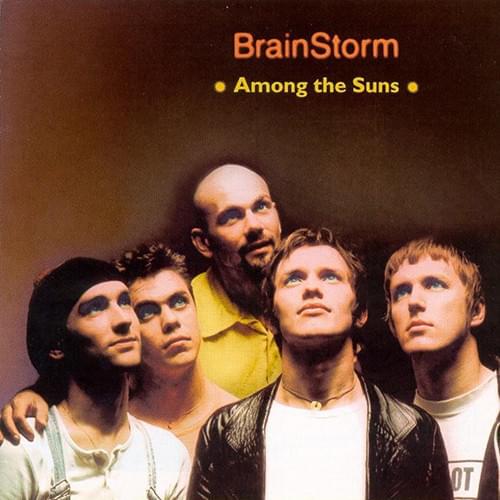
 View Artist