Song Meaning
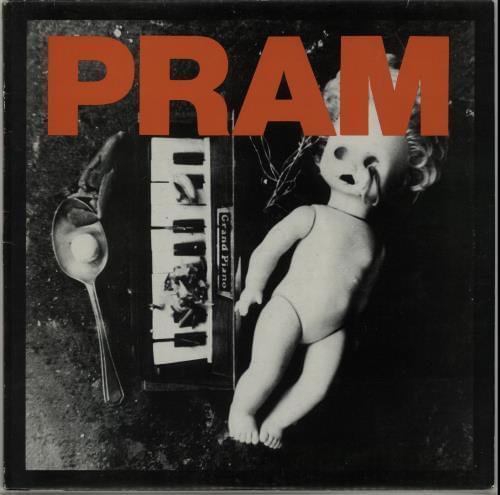
The lyrics paint a stark, almost surreal picture of a life lived in squalor and neglect. The opening lines establish a grim environment, a "cabbage reek dump," where the subject, described with a strange, almost alien physicality ("two arms one mouth one eye"), is rendered mute, communicating only through "fingers." This immediately sets a tone of isolation and a struggle for basic expression.
The scene intensifies with a visceral image of someone "pressed up against the doorpost," their "tongue hung out in concentration." The sensory details are jarring, from the smell of "acid from her stewing liver" to the physical pain of "splinters in his neck." This suggests a deeply uncomfortable and possibly abusive situation, where focus is drawn to the physical sensations of distress and confinement.
The narrative then pivots to a plea of innocence, "It wasn't his fault." The blame is deflected onto an abstract "man who pickled the starfish," a bizarre figure who seemingly orchestrated the protagonist's suffering. This externalizes the cause of hardship, framing it as the result of an absurd, almost nonsensical act of cruelty, culminating in a hollow promise of "tapas money" – a stark contrast to the depicted misery.
This lyrical construction is effective because it uses grotesque imagery and a dislocated sense of cause-and-effect to convey a profound sense of victimhood. The absurdity of the "starfish" man and the "tapas money" highlights the irrationality and unfairness that the narrator feels has defined their existence, making the plea of "It wasn't his fault" resonate with a desperate, almost childlike bewilderment.
 View Artist