Song Meaning
The lyrics paint a stark, unsettling picture of decay and destruction. A broken piano in a field, a bonfire consuming a mattress, and "spring broken yellow teeth" on a clothesline immediately establish a tone of disarray. This imagery escalates with a disturbing comparison to "my mother's bones popped out of her spine," linking domestic breakdown to physical trauma. The scene feels less like a memory and more like a visceral, almost surreal landscape of ruin.
The central tension emerges from the interaction between a child and the decaying environment. A "little boy" makes a natural sound, a "a short stream swish," before turning his attention to the ruined piano. His action of pulling off the black keys, followed by the narrator taking the ivory, suggests a disturbing appropriation of brokenness. It’s a moment where innocence confronts and interacts with destruction, leaving behind a fragmented, violated object.
The craft here lies in the unsettling juxtapositions and visceral imagery. The piano, an instrument of music and harmony, is described as "rotten and couldn't play tunes," its keys violently removed. The bonfire, a source of warmth, is depicted as destructive, having "chewed on someone's old shoes" and leaving "no stars over the flames." This creates a world where natural order and comfort are absent, replaced by a pervasive sense of loss and violation.
These lyrics hit hard because they refuse easy interpretation, instead presenting a raw, almost primal scene of things falling apart. The specific, jarring images – the piano's teeth, the mother's bones, the boy's actions – create a powerful emotional resonance. It’s the feeling of witnessing something precious being irrevocably broken, leaving behind only scattered fragments and a chilling silence.
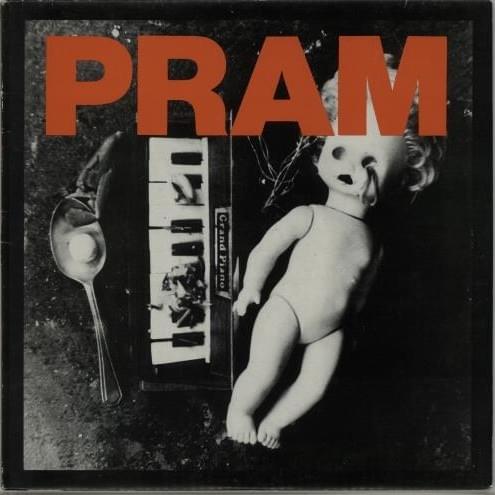
 View Artist