Song Meaning
This opening track immediately plunges the listener into a dark, ritualistic atmosphere. The invocation of "Satan, inventor et magister omnis fallaciae, hostis humanae salutis" sets a tone of grand, almost theatrical evil, directly addressing a figure of ultimate deception and opposition to salvation. The Latin phrases lend an ancient, authoritative weight to the pronouncements, establishing a sense of profound, almost cosmic dread from the outset.
The core tension revolves around a stark dichotomy: Christ versus the "Bible of the beast." The lyrics present a direct challenge, "Da locum Christo, in quo nihil invenisti de operibus tuis," which translates to "Make room for Christ, in whom you found nothing of your works." This suggests a narrative where established religious authority or divine presence is being supplanted or challenged by a darker force, one that claims dominion because the other has failed to find purchase.
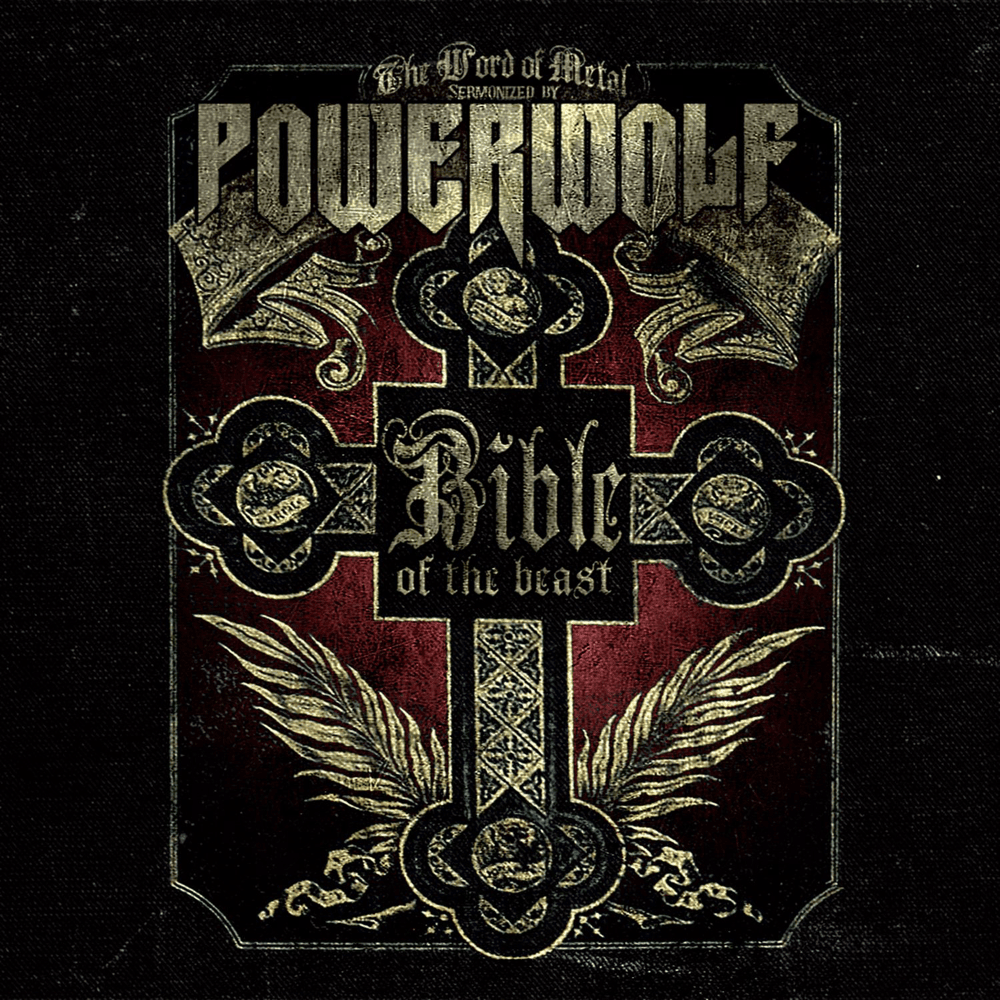
The repeated phrase "Bible of the beast" acts as a powerful, almost hypnotic refrain, hammering home the central theme. It conjures an image of a forbidden scripture, a counter-narrative to the sacred texts, dictating a path toward "damnation," the "dark," and "final temptation." The juxtaposition of "dawn" with "damnation" creates a striking, unsettling image, implying that this new era of darkness is not a hidden secret but an emerging, undeniable reality.
This prelude is effective in its sheer, unadulterated declaration of intent. It doesn't build suspense gradually; it erupts with pronouncements of doom and defiance. The use of Latin and the stark, declarative phrases create an immediate sense of gravitas and an almost liturgical feel, making the invocation of hellish power feel both ancient and terrifyingly present.
 View Artist