Song Meaning
The lyrics paint a stark picture of a world where external forces relentlessly shape and damage the individual. The opening lines, "You can't make it, you won't break it," immediately establish a sense of futility and powerlessness. The narrator describes a state of being "Tied up, ripped up, stitched up style," suggesting a person who has been physically and emotionally manipulated, "Torn from the head to toe." This imagery creates a visceral sense of violation, where even the "Light too bright" offers no solace, only a harsh exposure of this broken state.
The central tension arises from the disconnect between perception and reality, and the inability to escape the present moment's decay. The lyrics state, "There's always now, but the now is gone," highlighting a temporal paradox where the present is simultaneously inescapable and fleeting. This feeling is amplified by the assertion that "all that you see and all that you touch / Is all that you'll ever be," trapping the individual within their immediate, damaged experience. The chorus, "You can't make it, you can't fake it / You can't take what the world does to you," hammers home the theme of an overwhelming external power that cannot be resisted or disguised.
The most striking aspect of the craft is the juxtaposition of idealized natural imagery with brutal personal destruction. While the "sky's blue and the stars are bright / And the grass is always green," this beauty is immediately undercut by the revelation that "all that you see / And all that you touch is never what it seems." This contrast creates a profound sense of disillusionment. The narrator's chilling offer, "Take off your face and stay a while / I'll turn your guts to mud," further emphasizes the destructive agency of the "world" and its inhabitants, reducing existence to primal, base matter.
Ultimately, these lyrics resonate because they articulate a deep-seated feeling of being overwhelmed and irrevocably altered by external circumstances. The repeated, almost mantra-like chorus, "You can't take what the world does," combined with the imagery of being "torn" and having "guts to mud," creates a powerful emotional impact. The writing doesn't offer hope or a path to resilience, but rather a raw, unflinching depiction of vulnerability and the crushing weight of external forces, making the listener confront the harsh realities of their own perceived limitations.
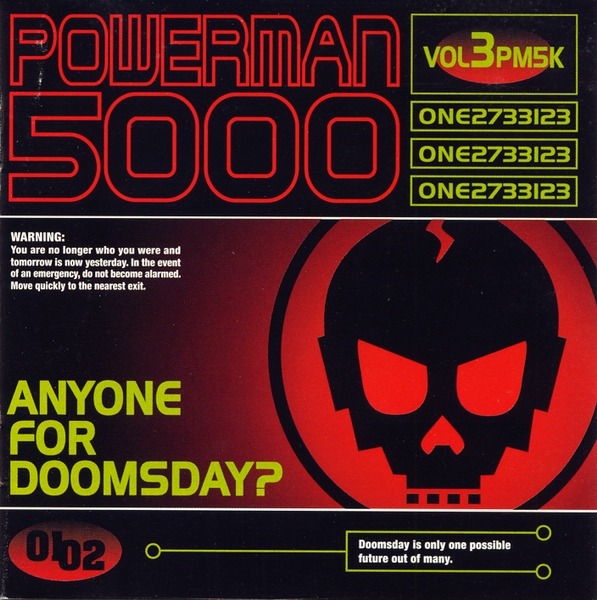
 View Artist